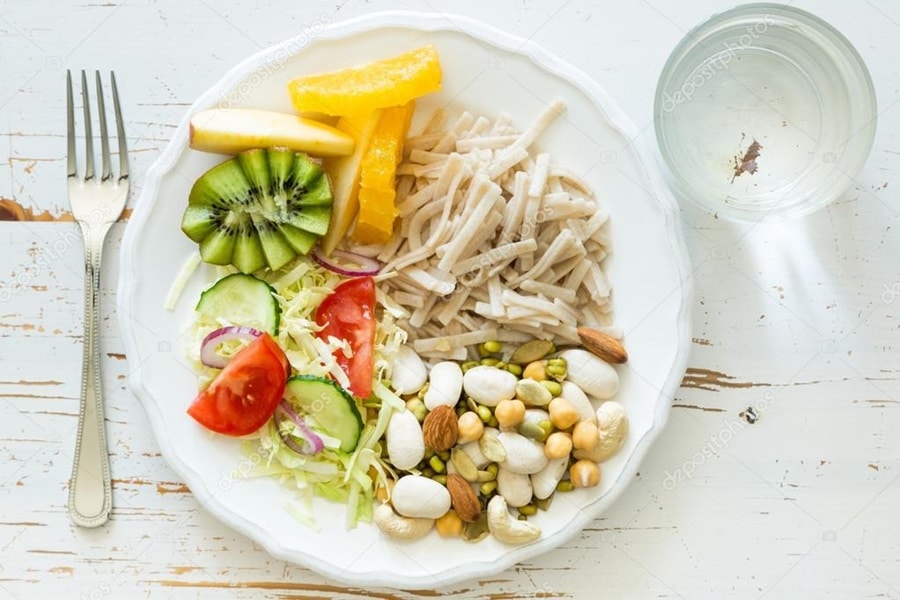

How Much Fiber Do You Need?

The recommended daily fiber intake varies depending on age and sex, but adults should generally aim for 25 to 38 grams of fiber per day. Consuming too little fiber can lead to digestive issues like constipation and may not provide the weight loss benefits discussed earlier. Conversely, consuming too much fiber in a short period can lead to bloating, cramps, and diarrhea.
To get the most out of a high-fiber diet for weight loss, it’s important to gradually increase fiber intake. A sudden increase can lead to digestive discomfort. Drinking plenty of water is also crucial, as fiber absorbs water in the digestive system, and inadequate hydration can lead to constipation.
Foods High in Fiber
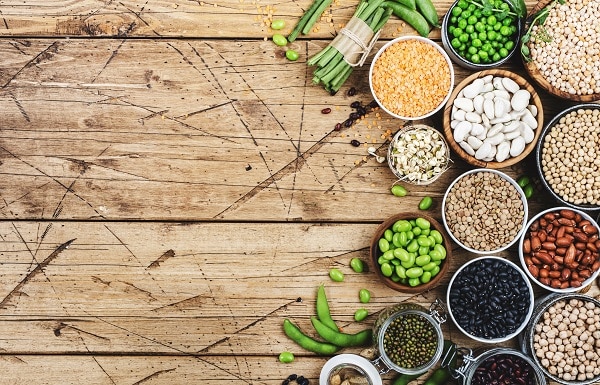
Natural sources are generally better than supplements when incorporating fiber into a weight-loss diet. Foods like fruits, vegetables, whole grains, and legumes provide fiber and a range of other essential nutrients. For instance, an apple offers soluble and insoluble fiber, vitamins, and antioxidants.
Meal planning can be an effective way to ensure adequate fiber intake. Breakfast options could include oatmeal topped with berries, while lunch and dinner could feature a variety of vegetables, whole grains like brown rice or quinoa, and protein sources like legumes or lean meat. Snacks like nuts and fruits can also contribute to daily fiber goals.
Common Mistakes to Avoid

While increasing fiber intake can offer numerous benefits, there are common pitfalls to avoid. One mistake is overconsuming fiber, which can lead to digestive issues like bloating and gas. Another common error is not drinking enough water alongside a high-fiber diet, which can result in constipation and discomfort.
Relying solely on fiber supplements is another mistake to avoid. While supplements are convenient, they don’t offer the additional nutrients in whole foods. Moreover, some supplements can interact with medications, so it’s always best to consult a healthcare provider before adding them to your diet.
How to Start Adding More Fiber to Your Diet
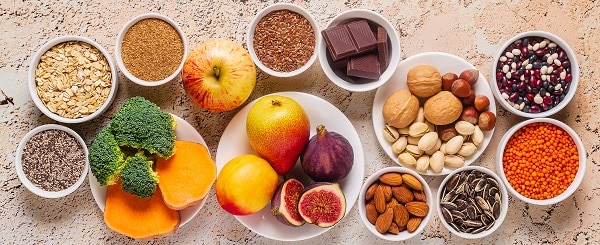
Adding more fiber to one’s diet doesn’t have to be a daunting task. Start by making small changes, like choosing whole-grain bread over white bread or adding a serving of vegetables to each meal. These incremental changes can make a big difference over time.
Another strategy is to replace low-fiber foods with high-fiber alternatives. For example, opt for brown rice instead of white rice or choose whole-grain pasta over regular pasta. Experimenting with herbs and spices can also make high-fiber foods palatable, making it easier to stick to a high-fiber diet.
The Bottom Line
The role of fiber in a weight loss diet is multifaceted and significant. From aiding digestion to increasing feelings of fullness, fiber is a powerful tool for those looking to shed pounds. While the journey to weight loss is complex and involves various factors, incorporating fiber into one’s diet is a relatively simple yet effective step. With many high-fiber foods and numerous ways to include them in meals, there’s no reason not to make fiber a staple in any weight loss strategy. So, as you navigate your path to a healthier you, consider making fiber your ally in achieving your weight loss goals.