The Sugar Trap

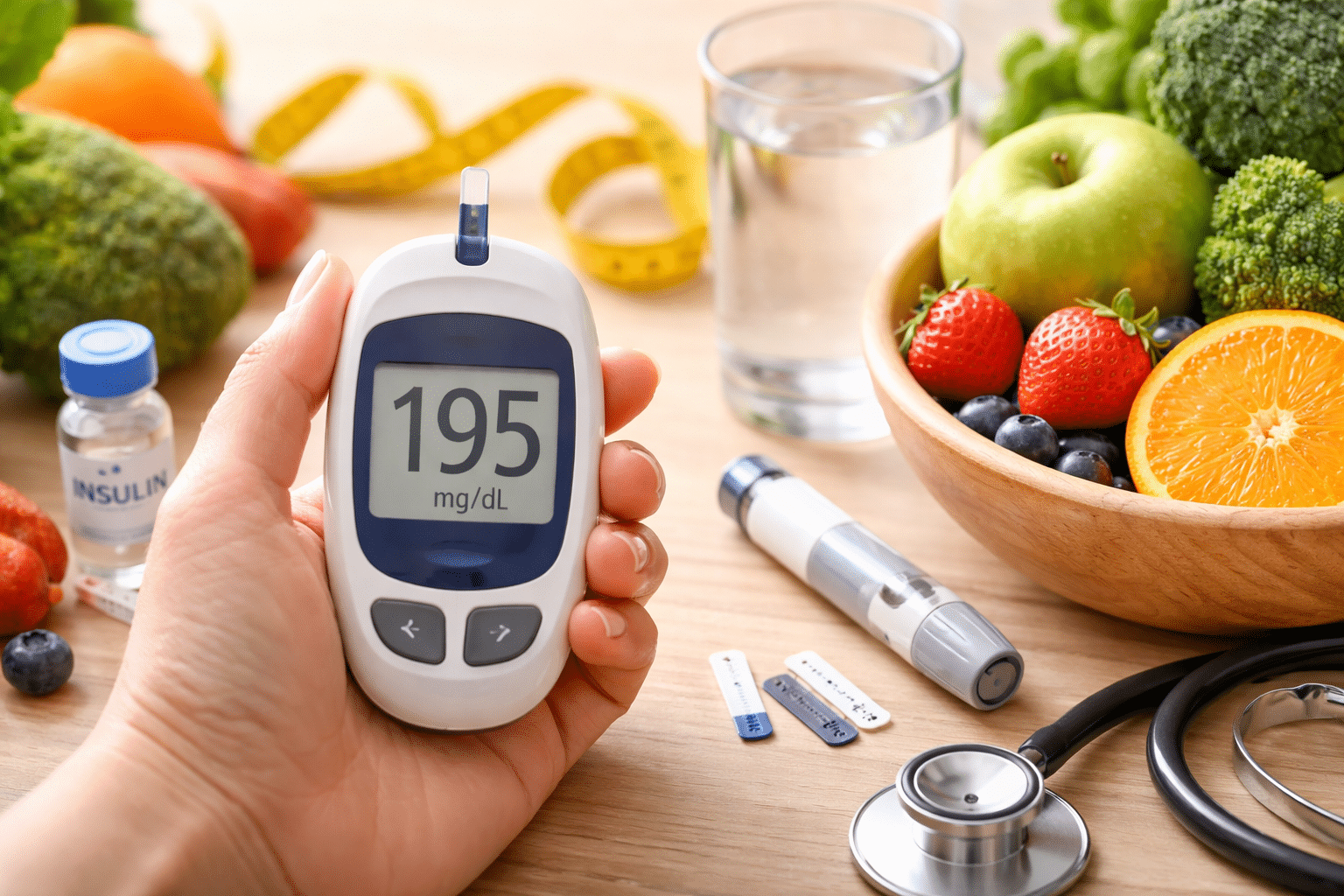
Processed foods are notorious for their high sugar content. Sugary cereals, snacks, and beverages can contribute to various health problems. Excessive sugar consumption has been linked to obesity, diabetes, and even certain types of cancer. The dangers are exacerbated by sugar being addictive, leading to a vicious cycle of cravings and consumption.
This is even more deceptive because sugar often appears under various names on ingredient lists, such as sucrose, high-fructose corn syrup, or agave nectar. This makes it difficult for consumers to know exactly how much sugar they consume. The lack of transparency serves the interests of food manufacturers but puts consumers at risk.
Sodium Overload

Many processed foods are high in sodium, a fact that is often overlooked because of the focus on sugar and fat. Excessive sodium intake can lead to hypertension, a significant risk of heart disease and stroke. The American Heart Association recommends no more than 2,300 milligrams of sodium daily, but many processed foods can contain half that amount in a single serving.
It’s not just the obvious culprits like chips and canned soups high in sodium. Even foods that don’t taste particularly salty, like certain breads and cereals, can have high sodium levels. This makes it incredibly easy to exceed the recommended daily intake without realizing it.
Trans Fats and Cholesterol

Trans fats are a type of unsaturated fat that is used to extend the shelf life of processed foods. They are found in many baked goods, fried foods, and margarine. Trans fats have been shown to raise bad cholesterol levels while lowering good cholesterol, increasing the risk of heart disease.
Similarly, many processed foods are high in saturated fats, which can also contribute to high cholesterol and heart disease. While some cholesterol is necessary for bodily functions, excessive amounts can lead to plaque buildup in the arteries, increasing the risk of heart attack and stroke.