

Hydrating for Mental Performance
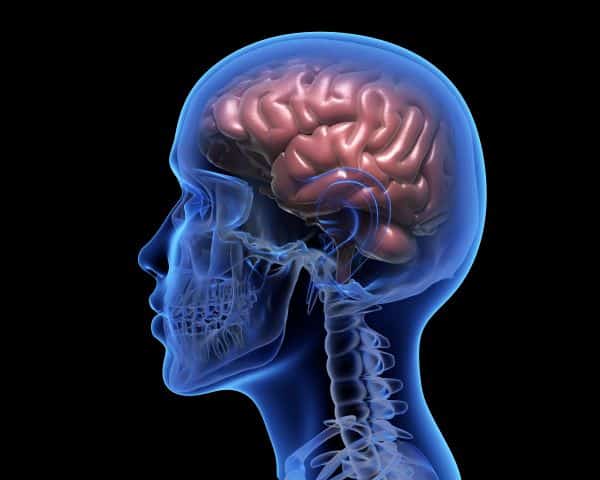
The brain’s dependence on adequate hydration is often underestimated. A well-hydrated brain is essential for maintaining concentration, memory, and mood. Even mild dehydration can impair cognitive functions, leading to decreased attention spans, memory lapses, and lethargy. Drinking water at intervals throughout the day can sustain mental alertness and enhance cognitive performance, especially during intense work or study periods.
Hydrating to boost mental performance involves more than just drinking water; it’s about timing it right. Drinking a glass of water upon waking is a great start, but maintaining that momentum—especially before and during challenging tasks—can provide the mental edge needed for success. For those looking to optimize their cognitive abilities, keeping a bottle of water at your desk and sipping regularly can help maintain a sharp mind and positive mood throughout the day.
Mealtime Hydration: Balancing Food and Water Intake
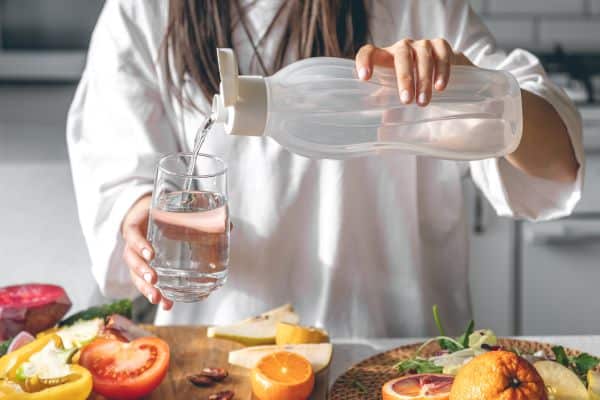
The relationship between hydration and digestion is symbiotic. Water plays a critical role in breaking down food, allowing the body to absorb nutrients effectively. However, the timing of water consumption in meals is crucial. Drinking water too close to or during meals can dilute digestive juices, potentially hindering the digestive process. Conversely, hydrating 30 minutes before eating can prepare the stomach for food, improving digestion and nutrient absorption.
Experts recommend waiting at least an hour after meals before drinking water, allowing the body to utilize its digestive enzymes fully. This approach ensures that hydration supports rather than sabotages digestion. It’s about finding a balance that works for your body, ensuring hydration and nutrition needs are met without compromise.
Listening to Your Body: The Ultimate Hydration Cue

While guidelines on hydration timing can provide a useful framework, listening to your body remains paramount. Thirst is an obvious indicator of dehydration, yet many ignore this basic cue. Paying attention to other signs, such as the color of your urine, can also provide insights into your hydration status. Ideally, urine should be light yellow, indicating proper hydration. Darker urine often signals the need to drink more water.
Individual hydration needs vary widely due to weight, climate, and activity levels. Adapting water intake to meet these personal requirements is crucial for optimal hydration. By tuning into your body’s signals and adjusting your habits accordingly, you can ensure that your hydration practices are as effective and beneficial as possible.
The Role of Foods in Hydration
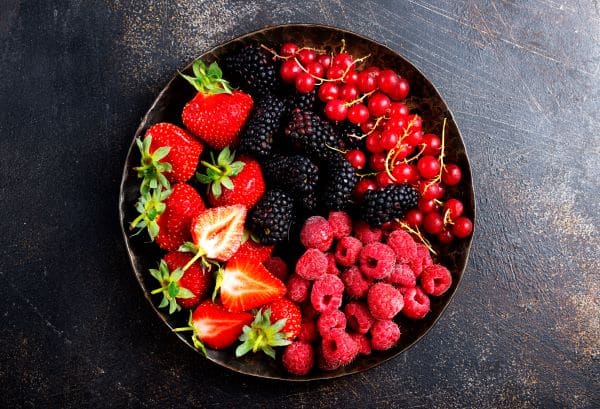
Water intake doesn’t solely rely on drinking water. Many foods, particularly fruits and vegetables, have high water content and can contribute significantly to your daily hydration needs. Foods like cucumbers, watermelons, strawberries, and oranges provide nutrients and increase your water intake. Incorporating these hydrating foods into your diet can offer a refreshing way to stay hydrated without constantly reaching for a water bottle.
Beyond their water content, these foods contain vitamins, minerals, and antioxidants that support overall health. By understanding the role of hydrating foods, individuals can enjoy a diverse and nutritious diet that contributes to their hydration goals, allowing every meal to nourish and hydrate the body simultaneously.
Final Thoughts
Understanding the best times to drink water for optimal hydration can significantly impact your health, energy levels, and mental performance. Starting your day with a glass of water, staying hydrated before and after exercise, timing your hydration around meals, and listening to your body’s cues are all strategies that can enhance the benefits of water intake. Remember, hydration is not just about quenching thirst but about providing your body with the fluid it needs to perform at its best. By incorporating these timing strategies into your daily routine, you can achieve optimal hydration, supporting your overall well-being and vitality.