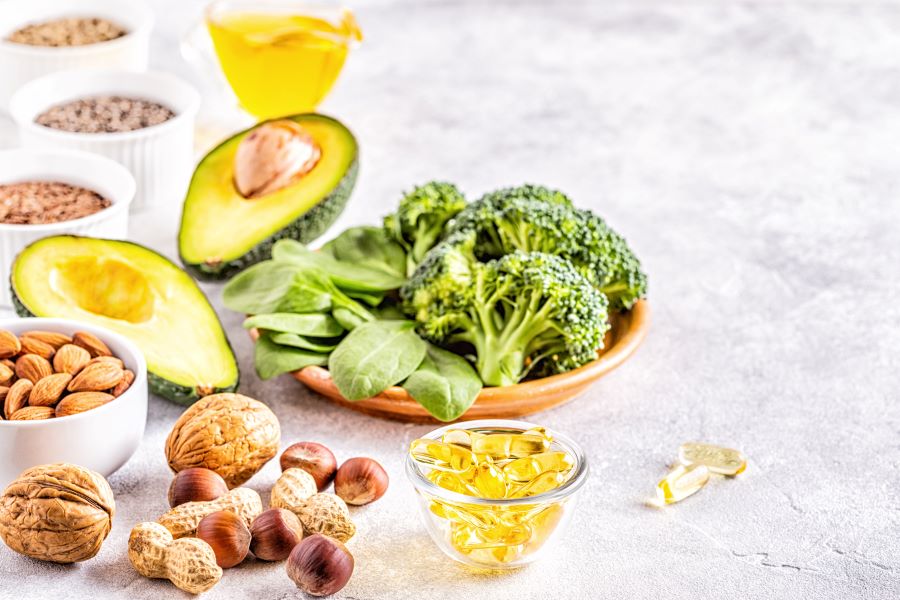
The Best Foods To Lower Your Blood Pressure
A research-backed look at the dietary choices that can support healthier blood pressure levels — and the science behind why they work.
High blood pressure — one of the most consequential and widespread health conditions in the world today — is a condition that responds meaningfully to dietary choices, and understanding which foods to lower blood pressure can be one of the most practical steps a person can take toward better cardiovascular health. According to the World Health Organization, an estimated 1.4 billion adults aged 30 to 79 had hypertension in 2024, representing roughly one-third of people in that age range. Despite its scale, many cases remain undetected or inadequately managed. While medication plays a central role in treatment for many individuals, a growing body of clinical research points to diet as a powerful complementary tool. Certain foods contain compounds — from dietary nitrates and polyphenols to potassium and soluble fiber — that act on the blood vessels in measurable, documented ways. This article examines several of the most well-studied options, grounded in findings from peer-reviewed research and established dietary guidelines.
Why Hypertension Remains a Critical Public Health Challenge

The scale of hypertension as a global health issue has grown significantly over recent decades. The number of adults worldwide living with high blood pressure more than doubled from 650 million in 1990 to 1.4 billion in 2024, a rise driven largely by population growth and ageing, according to data from the WHO’s 2025 Global Hypertension Report. The condition is frequently described as a “silent killer” because the majority of people who have it experience no noticeable symptoms, making screening and dietary awareness all the more important. Hypertension is identified by the WHO as a leading cause of heart attack, stroke, chronic kidney disease, and dementia.
The American Heart Association recommends that adults with high blood pressure aim to consume no more than 1,500 milligrams of sodium per day, and broader dietary pattern shifts — particularly toward plans rich in fruits, vegetables, whole grains, and low-fat dairy — have been shown in clinical trials to produce meaningful reductions in blood pressure readings. One of the most extensively researched of these approaches is the DASH diet (Dietary Approaches to Stop Hypertension), developed by the National Heart, Lung, and Blood Institute specifically to address elevated blood pressure. The 2025 U.S. News & World Report ranked it the number one diet for high blood pressure for the eighth consecutive year.
The DASH diet emphasizes fruits, vegetables, low-fat dairy, whole grains, lean proteins, and legumes while limiting red meat, added sugars, and high-sodium foods. Major clinical trials have indicated positive effects of the DASH eating plan for reducing both systolic and diastolic blood pressure among normotensive adults and in adults with Stage 1 hypertension. A 2024 meta-analysis of 27 randomized trials, including more than 7,000 participants, found that DASH-style and Mediterranean-type eating patterns lowered systolic blood pressure by about 4 mm Hg and diastolic by about 2 mm Hg — modest figures that, applied across entire populations, translate to significant reductions in heart attacks and strokes.
Blueberries and Berries: Anthocyanin-Rich Foods With Cardiovascular Benefits
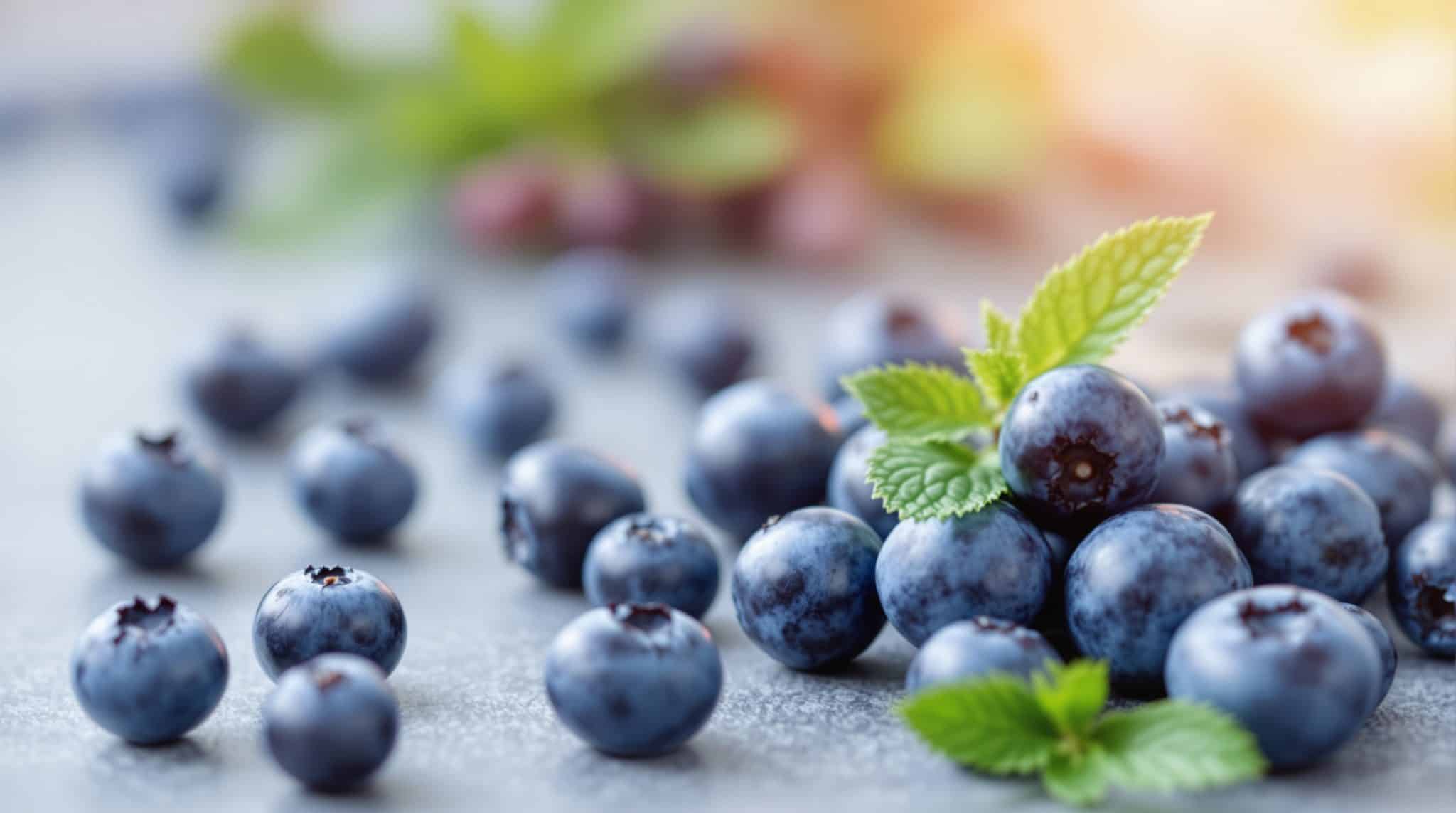
Berries — particularly blueberries — have attracted considerable scientific interest for their potential role in blood pressure regulation. The compounds most closely associated with these effects are anthocyanins, water-soluble plant pigments that give blueberries, raspberries, strawberries, and blackberries their distinctive deep hues. A 2019 study published in The Journals of Gerontology found that people who drank a wild blueberry beverage daily for 28 days saw a 5 mm Hg drop in blood pressure. A 2024 analysis of 11 studies published in Frontiers in Physiology found that eating blueberries was linked to a decrease in diastolic blood pressure. In a separate double-blind, placebo-controlled trial, participants who received 26 grams of freeze-dried wild blueberry powder containing 302 mg of anthocyanins over 12 weeks saw systolic blood pressure decrease by 3.59 mmHg, along with a statistically significant improvement in flow-mediated dilation — a key measure of blood vessel function.
It is worth noting that the evidence base, while promising, is not yet fully settled. A review published in a peer-reviewed journal concluded that while there is insufficient evidence to confirm a direct blood pressure-lowering effect from berry consumption in general, there is stronger evidence for specific berry types normalizing blood pressure in people who are already hypertensive. The role of polyphenols such as anthocyanins and ellagic acid in influencing blood pressure regulation is an active area of ongoing research, with results described as mixed and complicated by confounding factors across different study designs.
A 2024 analysis of 11 studies in Frontiers in Physiology linked blueberry consumption to decreased diastolic blood pressure.
Anthocyanins are the plant compounds most closely associated with blueberries’ potential cardiovascular benefits — and they are found across a wide range of colorful fruit and vegetables.
Researchers note that results vary significantly by study population, berry type, and duration — and that more robust randomized trials are still needed.
Leafy Greens, Spinach, and Kale: The Role of Dietary Nitrates and Potassium
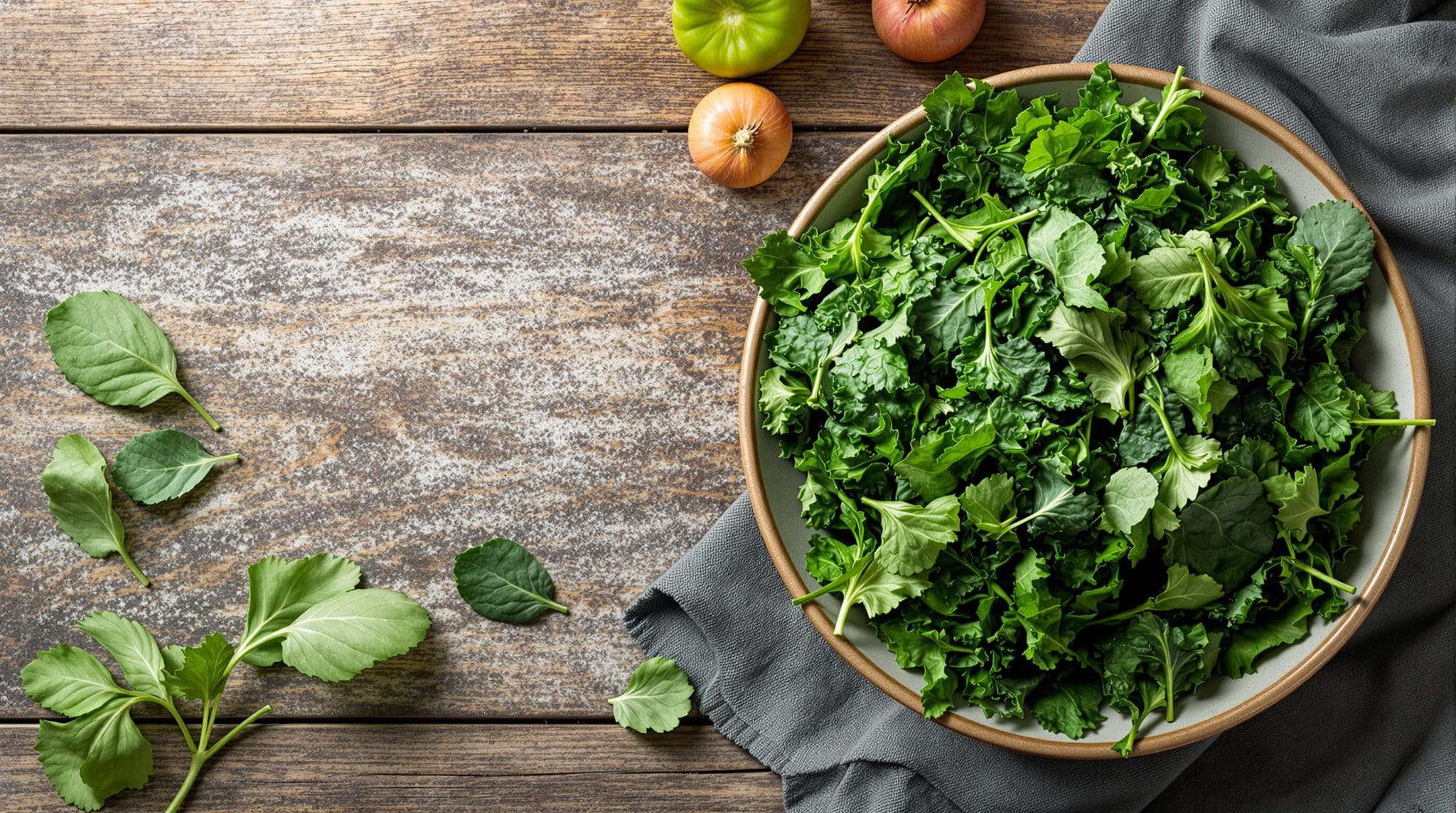
Leafy green vegetables are among the most consistently featured foods in blood pressure research. Spinach, kale, arugula, broccoli, romaine, watercress, and bok choy all sit prominently within the DASH framework, and research points to several overlapping biological mechanisms through which they may support cardiovascular health. The primary pathway centers on dietary nitrates, which are abundant in these vegetables. When ingested, inorganic nitrate is converted in the body to nitrite and then to nitric oxide, a potent vasodilator that relaxes and widens blood vessel walls, improving circulation and potentially reducing arterial pressure.
A large observational study drawing on data from 53,150 participants over 23 years — the Danish Diet, Cancer, and Health Study — found that people who consumed the most nitrate-rich vegetables had approximately 2.5 mm Hg lower systolic blood pressure and between 12 and 26 percent lower risk of heart disease, compared to those who consumed the least. Additionally, leafy greens provide substantial amounts of potassium and magnesium. According to the National Institutes of Health, clinical trials consistently show that increased potassium intake reduces blood pressure, with the greatest effects observed in people who already have hypertension. Magnesium also contributes by relaxing blood vessel walls and improving overall circulation. People who take blood-thinning medications such as warfarin should consult a healthcare provider about leafy green intake, due to the high vitamin K content of these foods.
A Breakdown of Key Food Categories and Their Primary Active Compounds
The foods most commonly identified in blood pressure research tend to exert their effects through distinct but often overlapping biological pathways. Understanding what makes each food type notable can help in building a dietary pattern that targets multiple mechanisms simultaneously. The following breakdown is an editorial categorization based on the nutrients and compounds most frequently cited in the peer-reviewed literature reviewed for this article.
Oats and Beta-Glucan: A Soluble Fiber With a Complex Evidence Base
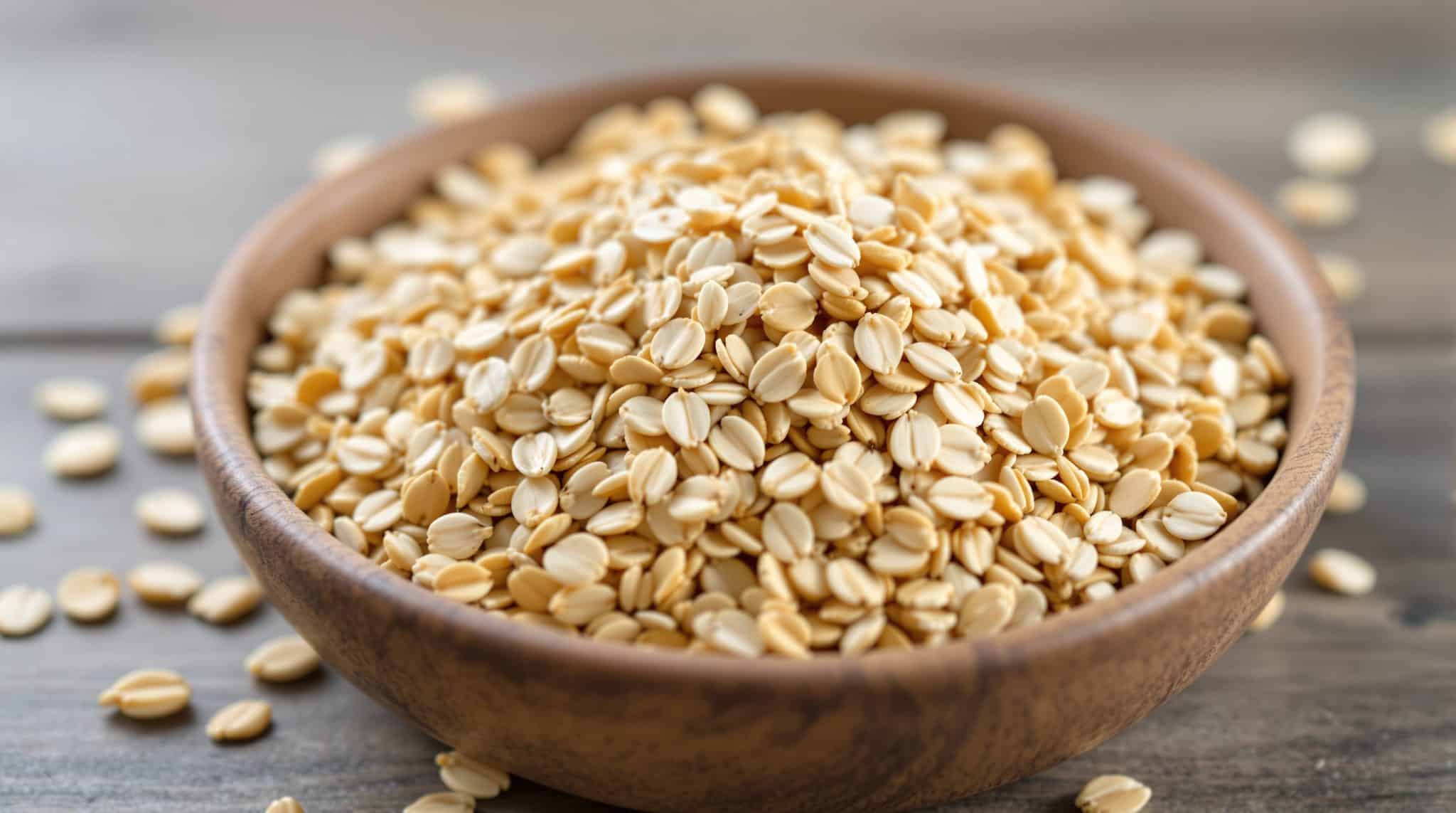
Oats are often cited in discussions of heart-healthy eating, and the soluble fiber they contain — beta-glucan — has been investigated in multiple clinical trials for its potential cardiovascular effects. A comprehensive narrative review published in a peer-reviewed nutrition journal identified 18 randomized controlled trials and three meta-analyses that supported a role for oats in decreasing blood pressure. The same review noted that several oat components, including gamma-aminobutyric acid (GABA), high-quality plant protein, and fermentable prebiotic fiber, may each contribute to an anti-hypertensive effect. Subgroup analyses from a systematic review published in the Journal of the Academy of Nutrition and Dietetics found that oat consumption significantly reduced diastolic blood pressure in participants whose baseline measurements were in the prehypertensive range, and that both systolic and diastolic readings were significantly reduced when daily beta-glucan intake was at or above 5 grams per day.
However, the evidence is not uniform. A 2024 randomized crossover pilot trial published in a Canadian science journal found that consumption of oat beta-glucan breakfast cookies over four weeks did not significantly reduce systolic or diastolic blood pressure in middle-aged and older adults with mild hypertension compared to a wheat-based control. Researchers noted that study population characteristics, dosage level, and duration all appear to influence outcomes. In an older trial involving 97 adults with elevated blood pressure, beta-glucan did not lower blood pressure across the full group, but did produce meaningful reductions — 8.3 mm Hg systolic and 3.9 mm Hg diastolic — in participants with a body mass index above the study median. The picture that emerges is one of a food with genuine potential, particularly for specific populations, but with results that depend heavily on individual circumstances and intake levels.
Beetroot, Garlic, and Dark Chocolate: Three Foods With Documented Mechanisms
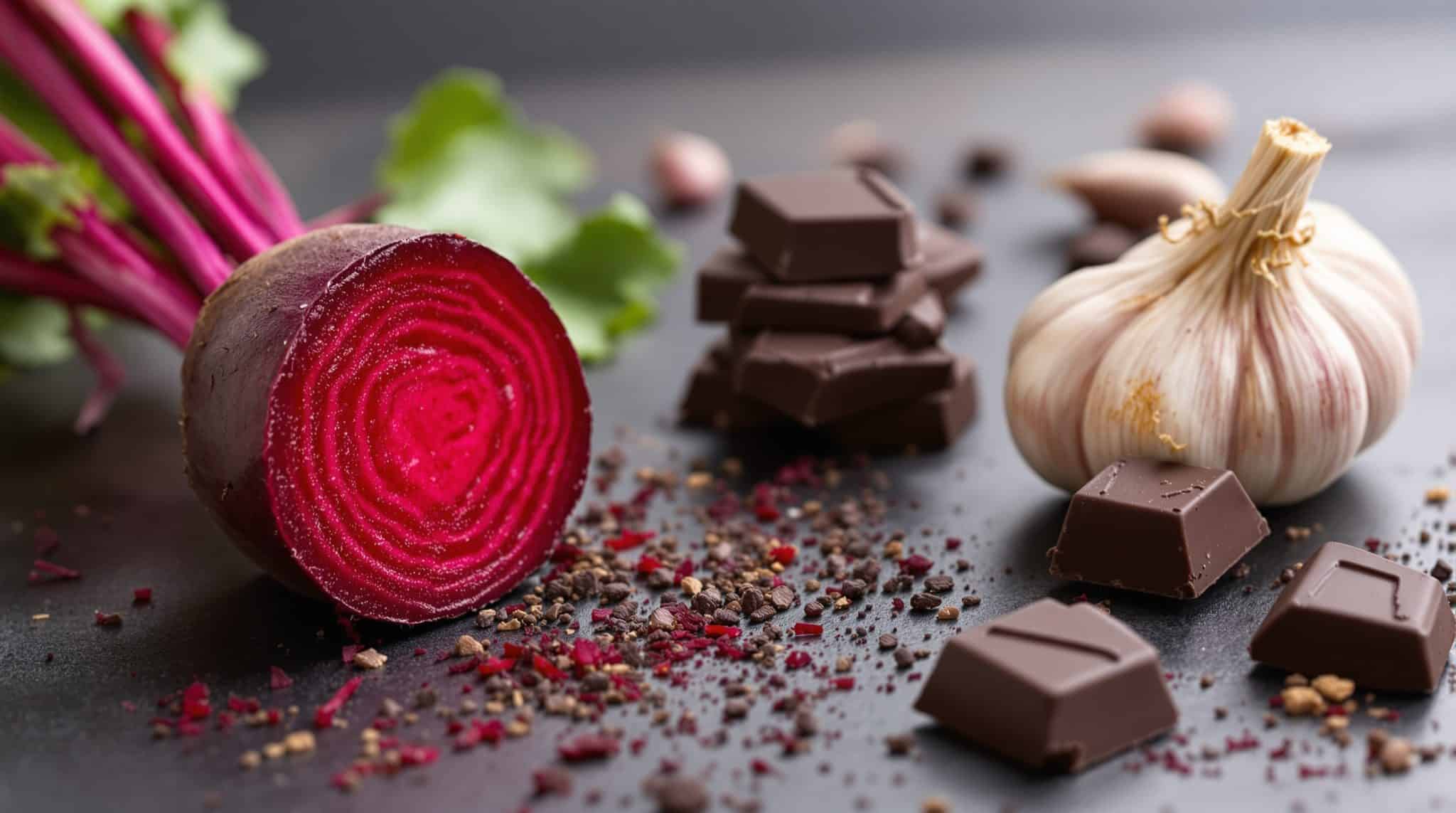
Beetroot — particularly in juice form — is one of the more strongly supported foods in the blood pressure literature. A 2024 systematic review and meta-analysis published in the journal Nutrition, Metabolism and Cardiovascular Diseases, which included eleven trials involving 349 patients, found that beetroot juice yielded a significant reduction in clinical systolic blood pressure compared to placebo, with a mean difference of approximately 5.31 mm Hg. The mechanism is the nitrate-nitrite-nitric oxide pathway: beetroot is rich in inorganic nitrate, which the body converts to nitric oxide, a compound that relaxes and dilates blood vessels. A separate 2024 meta-analysis of people with hypertension concluded that beetroot juice reliably lowers systolic blood pressure, though the effect on diastolic readings was less consistent.
Garlic has also been investigated for its blood pressure effects. According to a 2024 research review published in the journal Nutrients, garlic has antioxidant and anti-inflammatory properties and can help dilate blood vessels. One estimate cited in health literature suggests garlic may lower systolic blood pressure by approximately 8 points and diastolic by 5 to 6 points, though researchers note that benefits can vary substantially based on the type of garlic preparation and dosage used, and that additional research is needed to establish optimal dosing for clinical applications. Some studies suggest that garlic supplements — rather than culinary amounts of fresh or cooked garlic — are typically required to produce measurable effects.
Dark chocolate, particularly varieties containing 70 percent cacao or more, has attracted interest for its flavanol content. A 2024 review of 31 studies published through MDPI found that cocoa extract or dark chocolate with at least 70 percent cacao lowered both diastolic and systolic blood pressure as well as total cholesterol. An earlier review of 35 clinical trials published in the Cochrane Library found that regular cocoa consumption lowered blood pressure by about 4 points in people who already had high blood pressure. As with other foods in this category, quantity matters — excessive consumption would add significant sugar and calories, which can work against blood pressure goals by contributing to weight gain.
The American Heart Association notes that potassium reduces the effects of sodium and alleviates tension in the walls of blood vessels. Potassium-rich foods — including bananas, avocados, beans, tomatoes, and mushrooms — are frequently recommended as part of a blood pressure-supportive diet.
The 2025–2030 Dietary Guidelines for Americans advise that adults consume fewer than 2,300 mg of sodium per day. The American Heart Association recommends no more than 1,500 mg daily for those with high blood pressure.
People with kidney disease should consult a physician before significantly increasing potassium intake, as impaired kidneys may not process excess potassium efficiently.
Looking Beyond Individual Foods: The Case for a Broader Heart-Healthy Eating Pattern

While individual foods carry documented effects, many researchers argue that the cumulative pattern of eating matters more than any single food choice in isolation. The DASH diet — which centers on vegetables, fruits, whole grains, lean proteins, and low-fat dairy products while limiting saturated fat, added sugars, and high-sodium foods — has been validated across numerous clinical trials. A major clinical trial referenced by Harvard Health found that participants following the DASH eating plan saw significant blood pressure drops, in some cases comparable to those from blood pressure medications. The American Heart Association has promoted the DASH diet to improve population cardiovascular health, and it is the only diet of ten examined in a recent AHA review to receive a perfect score in terms of alignment with the AHA’s own guidance.
A simulation study presented at an American Heart Association Hypertension meeting found that, among several lifestyle changes considered — including weight loss, physical activity, smoking cessation, and alcohol moderation — the largest potential impact on reducing cardiovascular events came from adopting the DASH diet. Researchers estimated that widespread adoption of the DASH diet among adults with untreated Stage 1 hypertension could prevent approximately 26,000 cardiovascular events and 2,900 deaths over a ten-year period, while saving around $1.6 billion in associated healthcare costs. These figures underline the population-level significance of dietary choices that, at an individual level, may appear modest.
Making Dietary Choices That Work With — Not Against — Your Heart
The science around food and blood pressure is nuanced, but its direction is clear: what ends up on a plate, eaten consistently over time, has a measurable influence on cardiovascular health. No single food is a cure, and dietary changes are not a replacement for medical treatment in people with clinically elevated blood pressure — but for many adults, incorporating more berries, leafy greens, oats, beetroot, and other evidence-backed foods into daily eating represents a well-supported, low-risk strategy for supporting healthier blood pressure levels. As the research continues to evolve, the most reliable guide remains a broad, plant-forward dietary pattern built on variety, nutrient density, and attention to sodium — the kind of framework that the DASH diet has represented, and validated, for more than two decades.