Cooking At Home
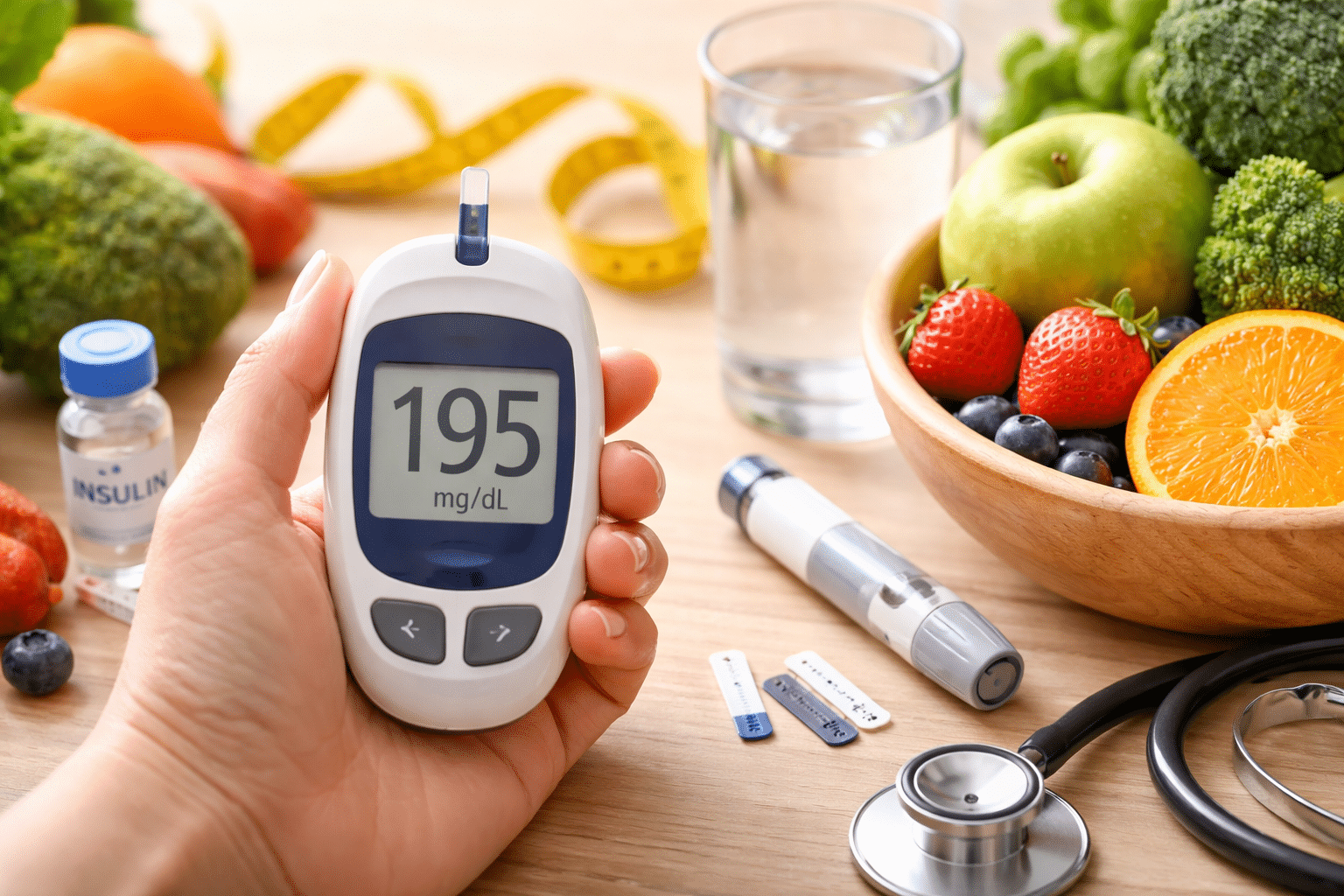
Cooking more meals at home can help reduce the amount of processed, high-sodium foods you consume. Cooking at home gives you control over the ingredients and allows you to monitor your sodium intake. When cooking, consider using alternative seasonings, such as lemon juice or vinegar, to add flavor to your meals. You can also reduce the amount of salt in recipes by gradually decreasing the amount each time you make it. With time, your taste buds will adjust, and you may find that you need less salt to achieve the same level of flavor.
Incorporating Potassium-rich Foods
Potassium is an essential mineral that can help balance the effects of sodium in the body and lower blood pressure. In addition to reducing your sodium intake, it is also vital to increase your intake of potassium-rich foods. Some good sources of potassium include bananas, sweet potatoes, spinach, and avocados. Also, many fruits and vegetables are naturally high in potassium, so incorporating more of these into your diet can help you meet your daily needs.
Final Thoughts
Sodium is an essential mineral that plays a vital role in your body, but consuming too much can negatively affect health. It is crucial to find a balance and aim to consume the recommended daily amount of sodium. You can make small changes that can impact your health by reducing processed foods, choosing low-sodium options, using herbs and spices, cooking at home, and incorporating potassium-rich foods. Always consult your healthcare provider if you have concerns about your sodium intake and overall health.