The Importance Of Healthy Fats In A Plant-Based Diet
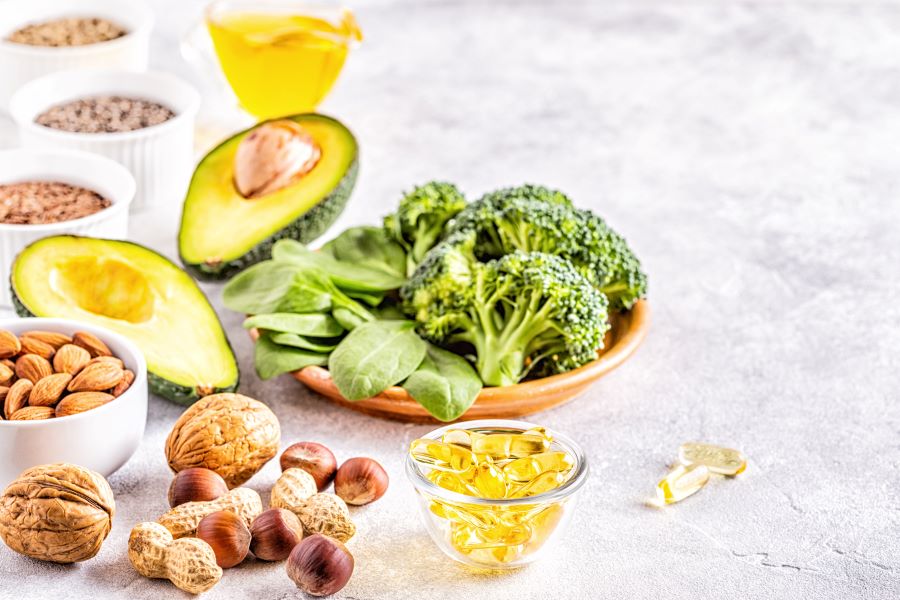
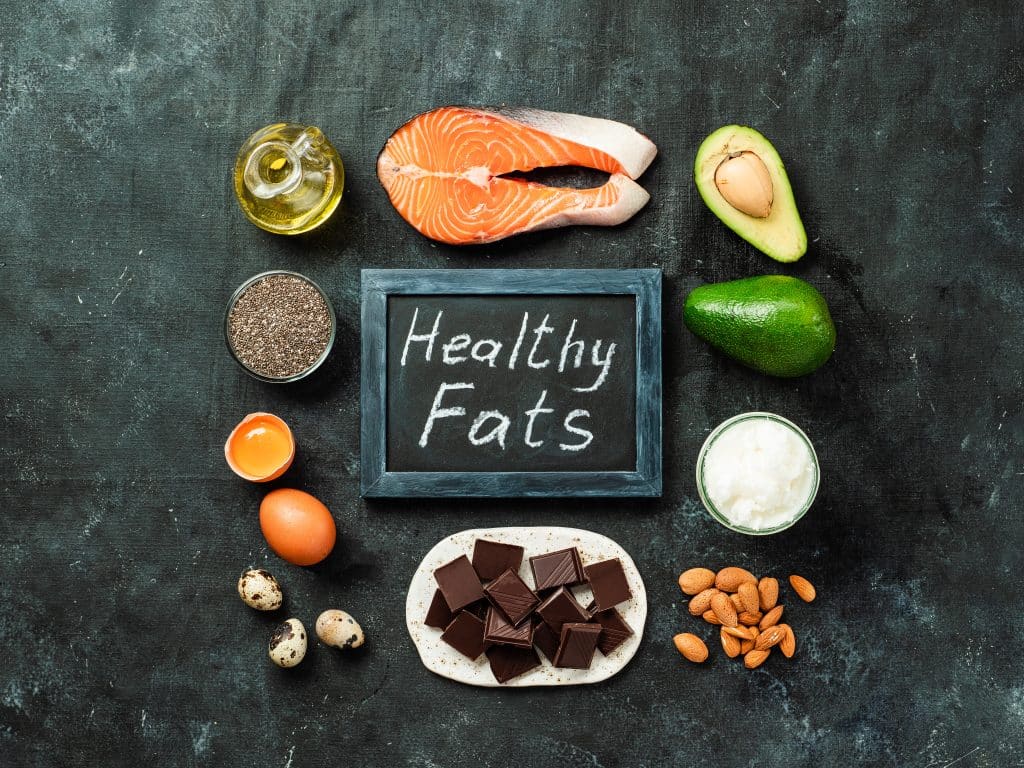
While people often associate dietary fats with negative health outcomes, it’s crucial to note that not all fats are created equal. Healthy fats, particularly mono and polyunsaturated fats found in foods like avocados, nuts, seeds, and olive oil, can actually support heart health.
These fats play a critical role in lowering bad cholesterol levels and raising good cholesterol. They also contribute to the reduction of inflammation, a key factor in heart disease. Therefore, including a moderate amount of healthy fats in your diet is crucial for a balanced, heart-healthy lifestyle.
Understanding The Impact Of Processed Foods On Heart Health

Although plant-based, processed foods often contain high levels of sodium, unhealthy fats, and added sugars. Regular consumption of such foods can lead to hypertension, increased cholesterol levels, and obesity, all risk factors for heart disease.
Keep in mind; it’s essential to distinguish between whole plant foods and their processed counterparts. While a plant-based diet is generally heart-healthy, this mainly refers to whole, unprocessed foods. Opting for these whole foods over processed versions will better serve your cardiovascular health in the long run.
How To Balance A Plant-Based Diet For Optimal Heart Health
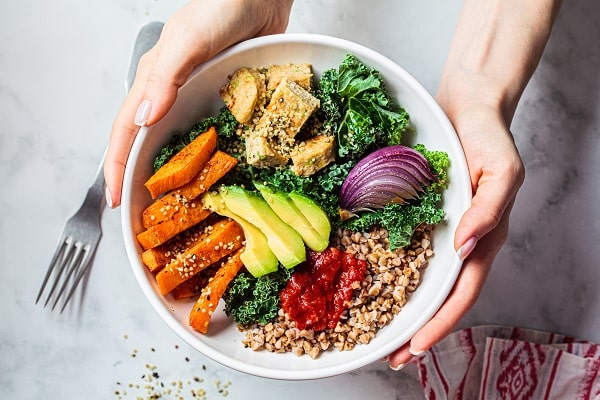
While a plant-based diet can be highly beneficial for heart health, ensuring balance and variety is crucial. This means not just excluding certain foods but including a wide range of fruits, vegetables, whole grains, legumes, and healthy fats. It’s also advisable to pair a healthy diet with regular exercise and adequate sleep for overall heart health.
And always remember, everyone’s body is different. What works for one person might not work for another, so it’s crucial to understand your body’s unique needs. If you are unsure about which diet is best for you, speak to a registered dietitian or doctor. They can help you create the right plan for your individual health needs.
Addressing Common Concerns: Protein And Vitamin B12 In Plant-Based Diets

One common concern about plant-based diets is the potential lack of protein and Vitamin B12. While these nutrients are typically associated with animal products, they can also be obtained from plant sources. Legumes, nuts, seeds, and certain grains are excellent plant-based protein sources.
Vitamin B12, on the other hand, is essential for nerve function and the production of red blood cells and is one of the few nutrients that can’t be readily found in plant foods. However, it can be obtained through fortified foods or supplements. Consulting with a healthcare provider or dietitian can ensure you’re getting enough of these essential nutrients.
Lifestyle Factors That Influence Heart Health

Beyond diet, other lifestyle factors significantly influence heart health. Regular exercise, managing stress, and getting enough sleep are all vital for cardiovascular health. The impact of a plant-based diet on heart health can be enhanced when coupled with these healthy lifestyle practices.
While changing dietary habits can seem overwhelming, it doesn’t have to be. Small, incremental changes can profoundly impact heart health over time. Adopting a plant-based diet is less about adhering to strict rules and more about fostering a healthier relationship with food.
Start Improving Your Heart Health And Cardiovascular System With Plants!
As you’ve just explored, a plant-based diet holds immense potential in promoting heart health. It’s rich in fiber, antioxidants, and healthy fats—all contributing to a healthy cardiovascular system. Moreover, lifestyle factors like regular exercise, stress management, and quality sleep are vital allies in this journey. Always remember to consult with a healthcare provider when making significant changes to your diet. With this comprehensive approach, we can each take steps toward a healthier heart.