

Explore Ways To Purchase And Store Organic Foods
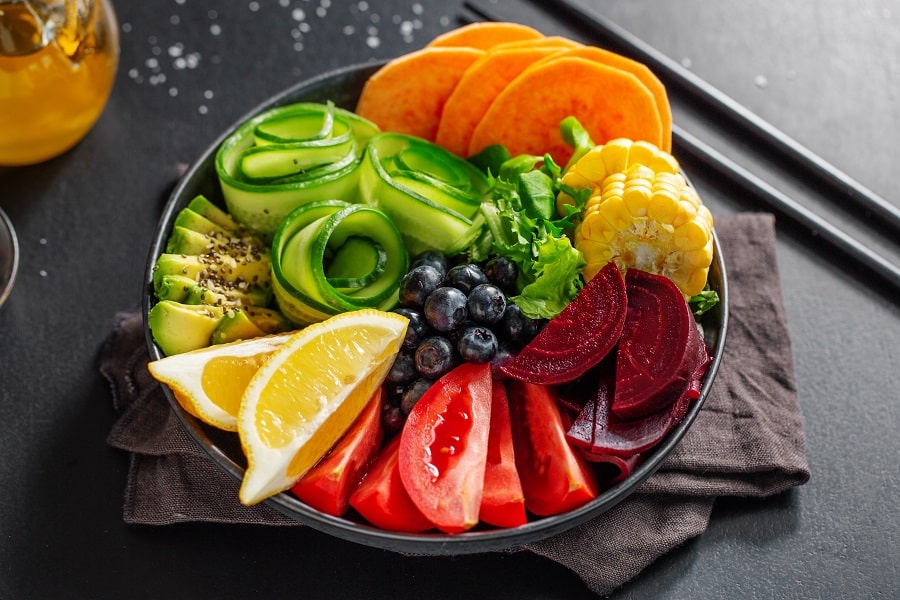
Organic foods have become increasingly popular among health-conscious consumers for their benefits to human health and the environment. While purchasing and storing organic foods may seem daunting, there are numerous ways to make the process easy and enjoyable. One option is to shop at your local farmers’ market to meet local farmers and learn about their farming practices.
When storing organic foods, it’s important to remember that they may spoil faster than conventionally grown produce. Therefore, it’s best to use them within a few days of purchase or freeze them for later use. Another option is to join a community-supported agriculture program, which delivers fresh, organic produce directly to your doorstep. Overall, exploring ways to purchase and store organic foods can be a fun and rewarding experience that benefits your health and supports local farmers and the environment.
Consider How Incorporating Organic Food Into Your Diet Can Be Beneficial

Eating organic food has become increasingly popular in recent years and for good reason. Unlike conventional foods, organic food is grown without pesticides, hormones, and other harmful chemicals that can negatively impact your body. Incorporating organic foods into your diet can incredibly benefit your health and well-being.
Additionally, organic foods are often fresher and more nutrient-dense, meaning you get more of the essential vitamins and minerals your body needs to function properly. So, why not try organic and see how it can nourish your body and the planet? By choosing organic, you are making a positive impact on your health and supporting sustainable farming practices that benefit the environment.
Make An Informed Decision About Whether Or Not To Invest In Organic Food
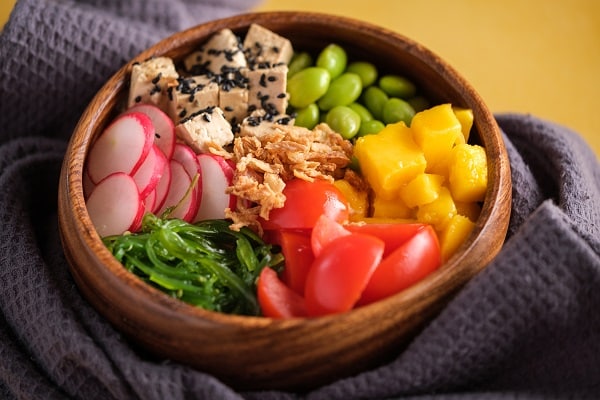
Organic food has been a buzzword in the food industry for several years now. Deciding whether or not to invest in organic food can be difficult, especially considering the cost. It’s important to remember that organic food is grown without synthetic pesticides or fertilizers, which can harm the environment and our health.
However, some arguments suggest organic food isn’t any healthier than conventionally grown crops. Ultimately, investing in organic food should be based on your values, budget, and dietary needs. By researching and carefully weighing the pros and cons, you can make an informed choice that is right for you.
Summary
Investing in organic food can be an excellent choice for those looking to prioritize their health and environment. Organic foods offer a broad selection of potential benefits, including higher concentrations of vitamins, minerals, and essential fatty acids than non-organic foods. They are also free from synthetic pesticides and fertilizers that can be detrimental to the environment. Many different types of organic foods are available on the market, so you should have no trouble finding something you enjoy eating.
Furthermore, with smart shopping techniques and correct storage procedures, you may even save money by buying organic products. Researching the differences between organic and non-organic food is vital before making your purchase decision. Ultimately, investing in organics can be incredibly rewarding for both your body and your budget – not only for now but for years to come.