

Carbohydrates: The Energy Powerhouse
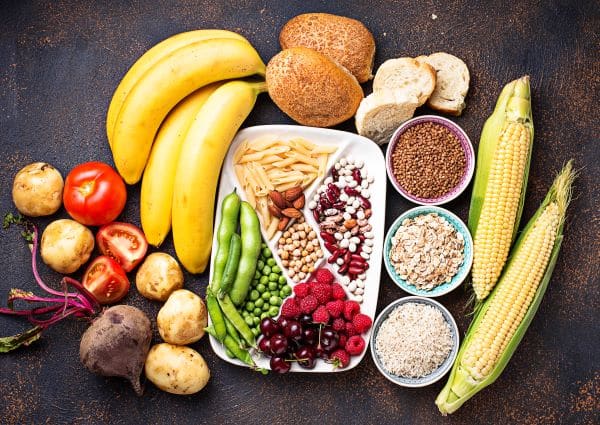
Carbohydrates are the primary energy source for athletes, fueling everything from low-intensity training to high-intensity competitions. A vegan diet offers a plethora of carbohydrate sources, including fruits, vegetables, grains, and legumes. These foods provide the necessary energy for athletic performance and are also rich in fiber, vitamins, and minerals.
Complex carbohydrates, found in whole grains, legumes, and starchy vegetables, are particularly beneficial for athletes. They provide a steady release of energy, preventing spikes and crashes in blood sugar levels. This sustained energy is crucial for endurance sports and long training sessions. Vegan athletes should focus on incorporating these complex carbohydrates into their meals, ensuring they have the energy needed for both training and recovery.
Vitamins and Minerals: The Unsung Heroes

Vitamins and minerals are pivotal for athletic performance, playing roles in energy production, muscle contraction, and injury prevention. Vegan athletes need to pay particular attention to certain nutrients that are less abundant in plant-based diets, such as Vitamin B12, iron, calcium, and zinc. These nutrients are crucial for energy metabolism, oxygen transport, bone health, and immune function. A well-planned vegan diet, possibly supplemented, can provide adequate amounts of these essential nutrients.
Iron, which is vital for oxygen transport in the blood, can be found in plant foods like lentils, beans, and spinach, but it’s less easily absorbed than iron from animal products. Consuming vitamin C-rich foods alongside iron-rich foods can enhance absorption. Calcium, essential for bone health, can be obtained from fortified plant milks, tofu, and leafy greens. Regular monitoring and, if necessary, supplementation of Vitamin B12, which is not found in plant foods, is essential for nerve function and energy production.
Hydration and Electrolyte Balance

Hydration is a critical aspect of athletic performance and recovery, and it goes beyond just drinking water. Vegan athletes need to ensure they are also maintaining a proper balance of electrolytes, which are crucial for muscle function and fluid balance. Electrolytes, including sodium, potassium, and magnesium, can be lost through sweat during intense exercise. Plant-based sources like bananas, sweet potatoes, and leafy greens can help replenish these essential minerals.
In addition to water, coconut water can be a great natural source of electrolytes for vegan athletes. It’s important to recognize the signs of dehydration and electrolyte imbalance, such as fatigue, cramps, and dizziness. Athletes should aim to hydrate consistently throughout the day, not just during and after exercise. This consistent hydration strategy is especially important in hot climates or during long endurance events, where sweat loss is significant.