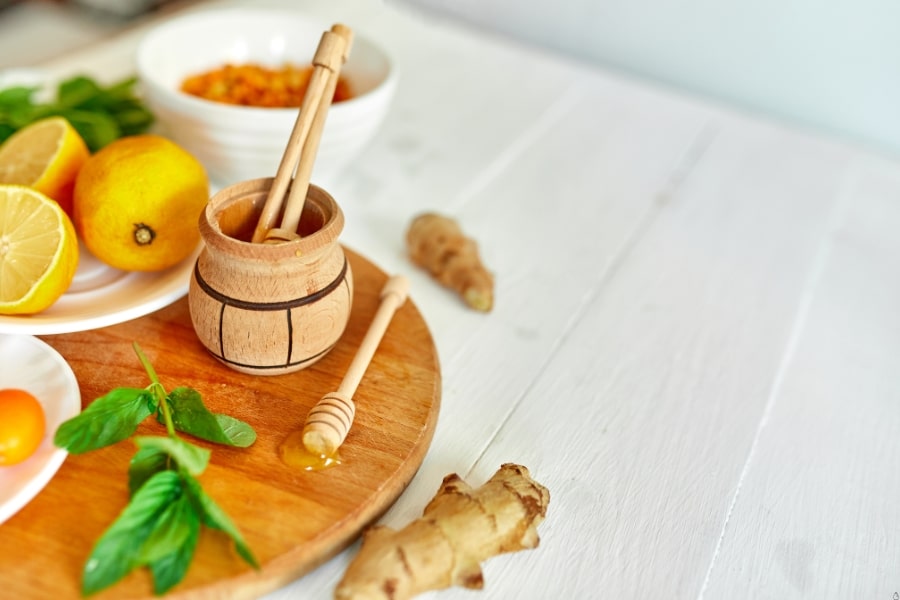
Herbs and spices have been the lifeblood of culinary exploration and expression for centuries. Acting as the soul of numerous global cuisines, these aromatic jewels not only tantalize your taste buds but also offer numerous health benefits. From the kitchen countertop to the medicine cabinet, herbs and spices have found their unique places in your homes, subtly nudging you towards healthier and flavorful living. Their versatility transcends ordinary boundaries of cuisine, as a mere pinch can transform a dish from mundane to extraordinary. This post explores some of the most essential herbs and spices everyone should consider incorporating into their cooking repertoire for an enhanced gastronomic journey.
Turmeric

The earthy and slightly bitter taste of turmeric has been a cornerstone of Asian cuisine for centuries. Known for its vibrant yellow hue, turmeric is commonly used in curries, soups, and rice dishes to provide a distinct flavor and a dash of color. But the appeal of turmeric extends far beyond the kitchen. Scientific studies have started to uncover its potential health benefits, primarily due to a compound called curcumin, which has notable anti-inflammatory and antioxidant properties.
Using turmeric in your culinary endeavors isn’t just about adding it to curry; its versatility allows it to be incorporated in numerous innovative ways. Imagine a warm mug of golden milk on a chilly evening, a turmeric-infused smoothie for a health boost, or even a sprinkle of turmeric over roasted vegetables to elevate the flavors. However, a word of caution – turmeric has a strong dyeing capability, so handling it carefully to avoid yellow-stained fingers and countertops is advisable!
Cinnamon

Cinnamon, the fragrant bark of the Cinnamomum tree, has long been celebrated for its warm, sweet, and woody flavor. Commonly used in both sweet and savory dishes, it adds a comforting depth to a variety of recipes. Whether it’s sprinkled over a hot latte or used to spice up a savory stew, cinnamon’s distinctive taste has the power to enchant the palate. Besides, its high concentration of antioxidants and anti-inflammatory compounds make it a popular choice among health-conscious individuals.
Cinnamon is not just a spice for your apple pie or your festive cookies. Think about a dash of cinnamon in your barbecue sauce, a sprinkle on your roasted sweet potatoes, or even mixed into your morning oatmeal – the possibilities are virtually endless. And with its potential health benefits, ranging from lowering blood sugar levels to reducing heart disease risk, incorporating this aromatic spice into regular meals is a rewarding endeavor.
Basil

Basil, with its sweet and peppery aroma, is one of the most popular herbs in the culinary world. Often associated with Mediterranean cuisine, especially Italian and Greek, it’s a key ingredient in pesto, salads, and pasta dishes. But basil isn’t just for your caprese salad or your marinara sauce; it can also be used in a variety of dishes to add a fresh twist. Moreover, this fragrant herb is known for its potential health benefits, such as aiding digestion and having anti-inflammatory properties.
Growing your own basil plant can be a fun and fulfilling experience. Not only does it ensure a steady supply of fresh basil, but it also brings a refreshing green touch to the kitchen. With basil, freshness is key; its delicate leaves lose much of their aroma when dried or cooked for long periods. So, for maximum flavor, it’s recommended to add fresh basil leaves to dishes right before serving. And don’t forget to explore beyond the classics! Basil can bring a refreshing touch to lemonade, a unique twist to strawberry jam, or even make an aromatic base for infused oils. The potential of this delightful herb is only limited by the boundaries of culinary creativity.