

Exploring natural remedies for weight loss has become increasingly popular among those looking to enhance their health and wellness routines. Alongside a balanced diet and regular physical activity, certain herbs and spices are gaining attention for their potential to support weight management. This post delves into the evidence-backed benefits of various seasonings that may aid in shedding extra pounds. From the anti-inflammatory prowess of turmeric to the blood sugar regulation offered by cinnamon, the culinary staples discussed here are not just flavorful, but may also be powerful allies in the quest for weight loss.
Turmeric
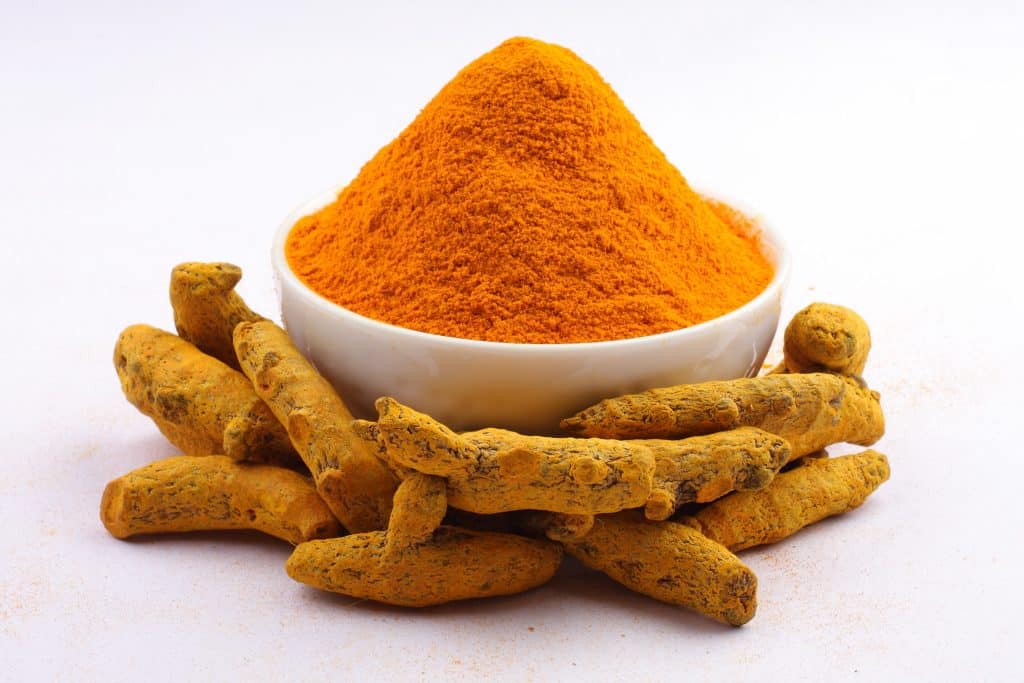
Turmeric, the golden spice that gives curry its vibrant color, contains curcumin, a compound lauded for its anti-inflammatory properties. Chronic inflammation is often linked to obesity and metabolic disease, making anti-inflammatory agents valuable in weight loss regimes. Curcumin has been studied for its potential to modulate inflammation and influence fat storage and metabolism. It is thought to interfere with fat tissue growth and development, reduce weight regain, and enhance insulin sensitivity, all of which can contribute to weight loss and improved metabolic health.
Incorporating turmeric into one’s diet can be as simple as adding it to smoothies, rice dishes, or vegetable stir-fries. However, the bioavailability of curcumin is relatively low, meaning it’s not easily absorbed by the body. To overcome this, it’s often recommended to consume turmeric with black pepper, which contains piperine, a natural substance that enhances the absorption of curcumin by up to 2,000%. The optimal amounts and methods of consuming turmeric for weight loss are still being explored, but adding this spice to meals can be a beneficial and tasty part of a weight-loss plan.
Cinnamon

Cinnamon is more than just a festive spice; it’s a metabolic powerhouse that has been revered for centuries for its medicinal properties. This aromatic spice is rich in cinnamaldehyde, which can positively affect metabolism and blood sugar regulation. Stable blood sugar levels can prevent spikes and crashes that lead to hunger and overeating. Cinnamon has been shown to mimic insulin, a hormone that regulates metabolism and energy use, and increase insulin sensitivity, which helps to control blood glucose levels and reduce fat storage.
Adding a dash of cinnamon to a morning latte, oatmeal, or yogurt not only enhances flavor but may also assist in moderating the post-meal glucose response. This can be particularly beneficial for those looking to manage their weight. Moreover, as a spice with a naturally sweet profile, cinnamon can reduce the need for added sugars in the diet, indirectly contributing to lower calorie intake and weight management. While cinnamon is not a magic solution for weight loss, its inclusion in a healthy diet offers potential metabolic benefits that may aid in weight control.
Ginger
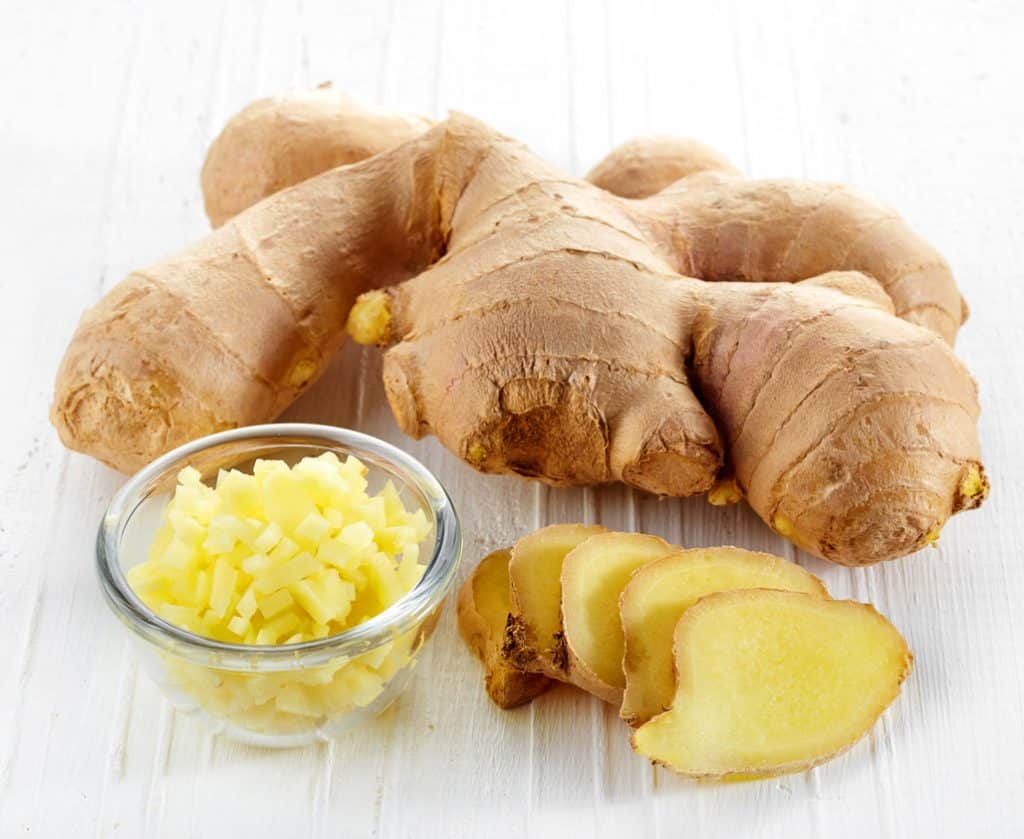
Ginger is a potent root that has been used for centuries in various cultures for its medicinal properties, and more recently, for its potential weight loss benefits. It’s known for its thermogenic effects, which can boost the body’s metabolic rate and increase calorie burn. Additionally, ginger’s influence on weight loss may also be due to its ability to enhance satiety, leading to reduced food intake. Studies suggest that ginger supplementation can significantly reduce body weight, waist-hip ratio, and fasting glucose levels in individuals with obesity.
Moreover, ginger aids in digestion and can help alleviate symptoms of gastrointestinal distress. Improved digestion is conducive to weight loss, as it ensures that food is processed efficiently, nutrients are absorbed, and waste is eliminated effectively. Consuming ginger in fresh, powdered, or tea form can be a soothing way to incorporate it into the diet. It is recommended to add ginger to meals or drink ginger tea before meals to potentially benefit from its satiating effects.