Hydration

A well-hydrated body is essential for maintaining overall health; the liver is no exception. Water plays a vital role in allowing the liver to detoxify effectively. Staying well-hydrated also aids digestion and nutrient absorption, directly impacting liver health.
A common guideline is to consume at least 8 cups (64 ounces) of water daily, but this can vary depending on individual factors like age, gender, physical activity level, and climate. One good indicator of proper hydration is the color of your urine: it should be light yellow. Incorporating water-rich fruits and vegetables into your diet is also a great way to boost your hydration.
Moderate Alcohol Consumption

Excessive alcohol consumption is one of the leading causes of liver damage. Alcohol can lead to inflammation and damage to liver cells, leading to a condition known as alcoholic liver disease. Over time, this can progress to cirrhosis, a serious condition where the liver tissue is replaced with scar tissue, impairing its ability to function.
That doesn’t mean you must give up alcohol entirely, but moderation is key. For women, moderate drinking is defined as up to one drink per day; for men, it’s up to two. Also, it’s essential to have alcohol-free days throughout the week. Remember, these are general guidelines, and individual tolerance to alcohol can vary.
Regular Check-Ups

Regular medical check-ups are essential for maintaining liver health. Regular screenings can help detect potential liver issues early, allowing for timely intervention. Liver function tests are simple blood tests that assess how well your liver works and monitor any damage or disease.
Additionally, suppose you have risk factors for liver disease, such as family history, obesity, or certain medical conditions. In that case, it might be worth discussing more frequent screenings or additional tests with your healthcare provider. Prevention and early detection are key to managing liver disease.
The Role of Supplements in Liver Health

Supplements are often marketed as a quick fix for liver health, but it’s important to remember that they are just that – a supplement to, not a replacement for, a healthy lifestyle. Certain supplements, like milk thistle and turmeric, have been linked to liver health benefits, but more research is needed to fully understand their impacts.
While they can be supportive, supplements cannot replace the benefits of a balanced diet, regular exercise, adequate hydration, and moderate alcohol consumption. Before starting any supplement regimen, it’s always best to consult with a healthcare provider to ensure it’s safe and right for you.
Addressing Misconceptions About Liver Health
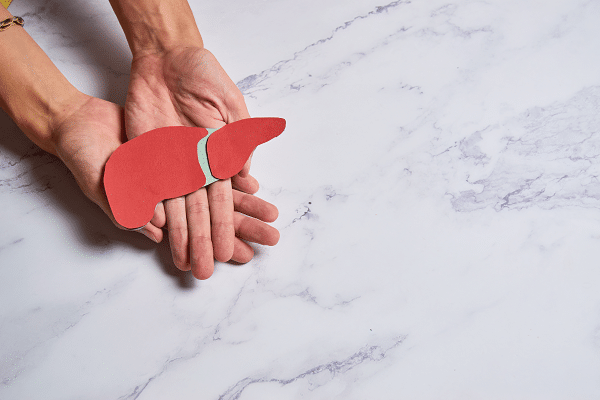
There’s a lot of misinformation out there about liver health. For example, some people believe that the liver can detoxify the liver. Still, the reality is that our liver is perfectly capable of detoxifying itself and does not need any special cleanses or diets to do its job. Similarly, while the liver does have a remarkable ability to regenerate, it’s not immune to damage. Continued exposure to harmful substances can lead to irreversible damage over time.
It’s important to rely on evidence-based information regarding liver health. It probably is if you come across a claim that sounds too good to be true. Always consult a healthcare provider with questions or concerns about your liver health.
Conclusion
The journey to liver wellness may seem daunting, but it’s a path paved with simple and achievable lifestyle modifications. Regular exercise, a balanced diet, adequate hydration, moderate alcohol consumption, and regular check-ups are your key allies in this journey. Supplements can provide additional support but are not a substitute for a healthy lifestyle. Lastly, remember to stay informed and seek evidence-based information. Your liver works tirelessly for you; it’s time you did your bit for it too.