Weight Management and Cholesterol

One of the secondary benefits of a vegan diet is its effectiveness in weight management, which is intrinsically linked to cholesterol levels. Excess body weight is a known risk factor for high cholesterol. A diet rich in plant-based foods typically has fewer calories and more fiber, aiding in weight loss and maintenance. This decrease in body weight is beneficial for lowering LDL cholesterol and increasing HDL cholesterol, thus improving the overall cholesterol profile.
Additionally, a well-balanced vegan diet tends to be lower in saturated fats and higher in complex carbohydrates, which promote satiety and reduce overall calorie intake. These dietary habits help in maintaining a healthy weight, which is crucial for keeping cholesterol levels in check and reducing the risk of obesity-related health issues.
Cholesterol And Chronic Diseases

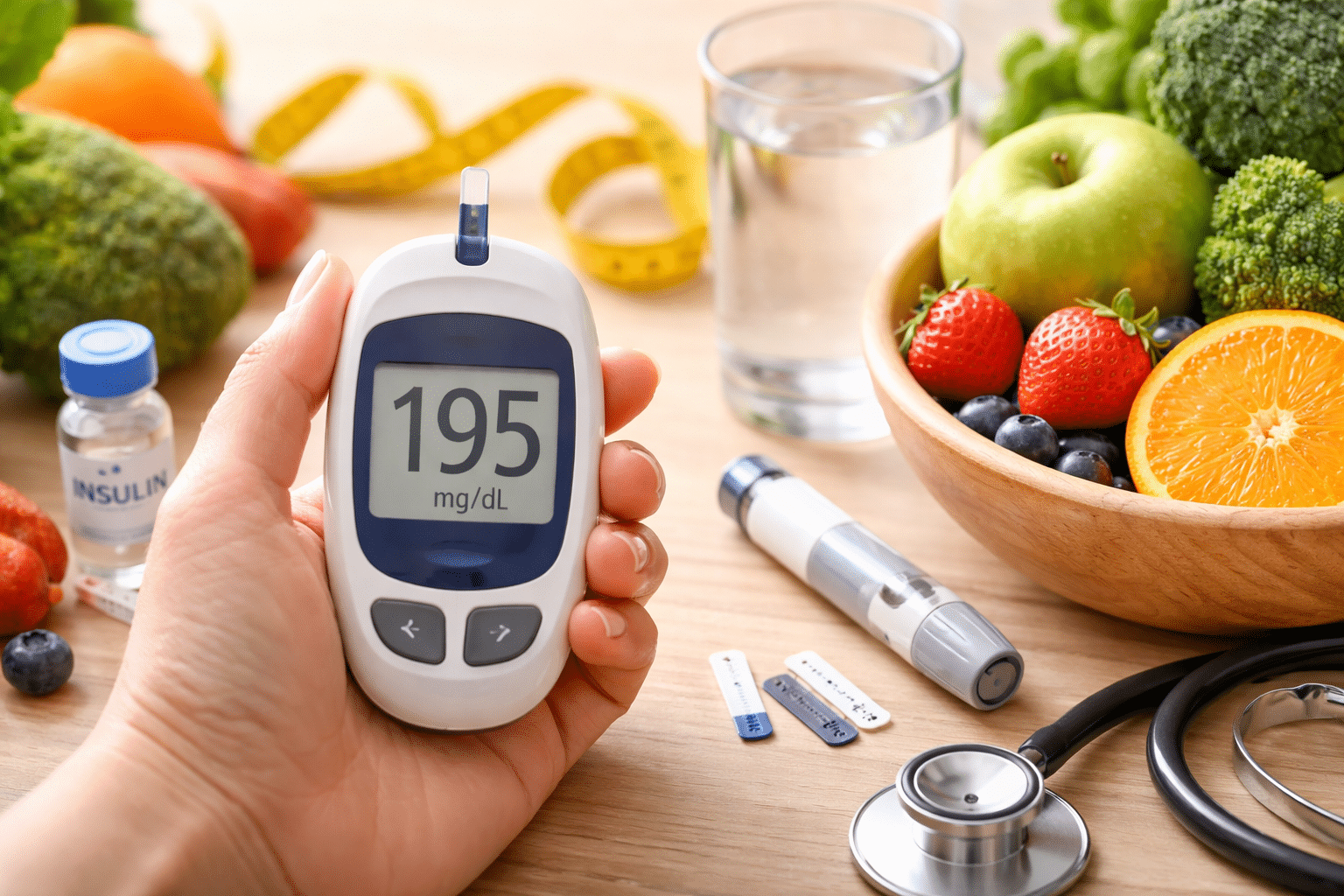
High cholesterol is not only a risk factor for heart disease but also plays a significant role in the development of other chronic conditions, such as Type 2 diabetes and hypertension. These conditions are often interrelated, and managing cholesterol levels can have a positive effect on overall health. A vegan diet, by virtue of its low cholesterol and high fiber content, can aid in reducing the risk and severity of these chronic diseases.
Moreover, the abundance of phytochemicals and anti-inflammatory compounds in plant-based foods helps in combating inflammation, a common underlying factor in many chronic diseases. By adopting a vegan diet, individuals not only manage their cholesterol levels but also contribute to a healthier lifestyle that combats various chronic health issues.
Nutritional Considerations For Vegans

While a vegan diet offers numerous health benefits, it requires careful planning to ensure all nutritional needs are met. Essential nutrients, such as vitamin B12, iron, and omega-3 fatty acids, which are typically found in animal products, must be obtained through fortified foods or supplements. Ensuring a balanced intake of these nutrients is crucial for maintaining healthy cholesterol levels and overall health.
In addition to supplements, a variety of plant-based sources can provide these essential nutrients. For instance, leafy greens and legumes are excellent sources of iron, while flaxseeds and walnuts provide omega-3 fatty acids. Including a diverse range of foods in a vegan diet is key to meeting nutritional requirements and maintaining optimal health.