Cholesterol, a waxy substance found in the blood, is essential for building healthy cells. However, high levels of cholesterol increase the risk of heart disease. Typically associated with the consumption of animal products, cholesterol intake is a concern for many, but vegans naturally avoid this issue due to their plant-based diet. This article explores the myriad health benefits of a vegan diet in reducing cholesterol intake, offering insights into how this lifestyle choice positively impacts overall well-being.
Contents
Understanding Cholesterol: The Basics

Cholesterol plays a vital role in the human body, contributing to the formation of cell membranes and certain hormones. Despite its necessity, excessive cholesterol, especially LDL (low-density lipoprotein), poses significant health risks. It’s crucial to distinguish between dietary cholesterol, found in animal-based foods, and blood cholesterol, produced by the liver. The body’s cholesterol levels are influenced not only by diet but also by genetics, physical activity, and overall lifestyle.
Dietary cholesterol directly impacts blood cholesterol levels, especially in individuals sensitive to dietary intake. High cholesterol levels can lead to the build-up of plaques in arteries, increasing the risk of heart disease and stroke. It’s important to understand that not all cholesterol is harmful. HDL (high-density lipoprotein), often referred to as ‘good cholesterol,’ helps remove other forms of cholesterol from the bloodstream. Balancing these different types of cholesterol is key to maintaining good health.
The Vegan Advantage: Cholesterol-Free Diet

Adopting a vegan diet offers a significant advantage in managing cholesterol levels due to the absence of dietary cholesterol in plant-based foods. Unlike diets that include meat and dairy products, a vegan diet consists of fruits, vegetables, grains, and legumes, all naturally cholesterol-free. This dietary choice not only reduces the intake of cholesterol but also provides an abundance of fiber, antioxidants, and beneficial phytochemicals, which contribute to better heart health and reduced risk of high cholesterol.
The transition to a vegan diet has shown remarkable results in lowering LDL cholesterol levels. Studies have demonstrated that individuals who switch to a plant-based diet experience a significant decrease in LDL cholesterol, often within a few weeks. This decrease is attributed to the high intake of soluble fiber found in plant-based foods, which helps to reduce the absorption of cholesterol in the bloodstream. Additionally, the vegan diet is rich in heart-healthy unsaturated fats, further aiding in cholesterol management and overall cardiovascular health.
Heart Health And Lower Cholesterol

A key benefit of reduced cholesterol intake is the profound positive impact on heart health. High levels of LDL cholesterol contribute to the formation of plaque in the arteries, leading to atherosclerosis, a primary cause of heart attacks and strokes. A vegan diet, low in cholesterol and saturated fats, plays a crucial role in maintaining clear arteries, thus reducing the risk of these cardiovascular diseases. This heart-healthy approach is supported by numerous studies showcasing the effectiveness of plant-based diets in improving heart function and reducing heart disease risk factors.
Further reinforcing this benefit, the increased intake of antioxidants and phytonutrients found in a vegan diet aids in reducing inflammation and oxidative stress, both of which are linked to heart disease. Foods rich in these nutrients, such as berries, leafy greens, and nuts, are staples in a vegan diet. These foods not only help in managing cholesterol levels but also provide essential vitamins and minerals, contributing to overall cardiovascular health.
Weight Management and Cholesterol

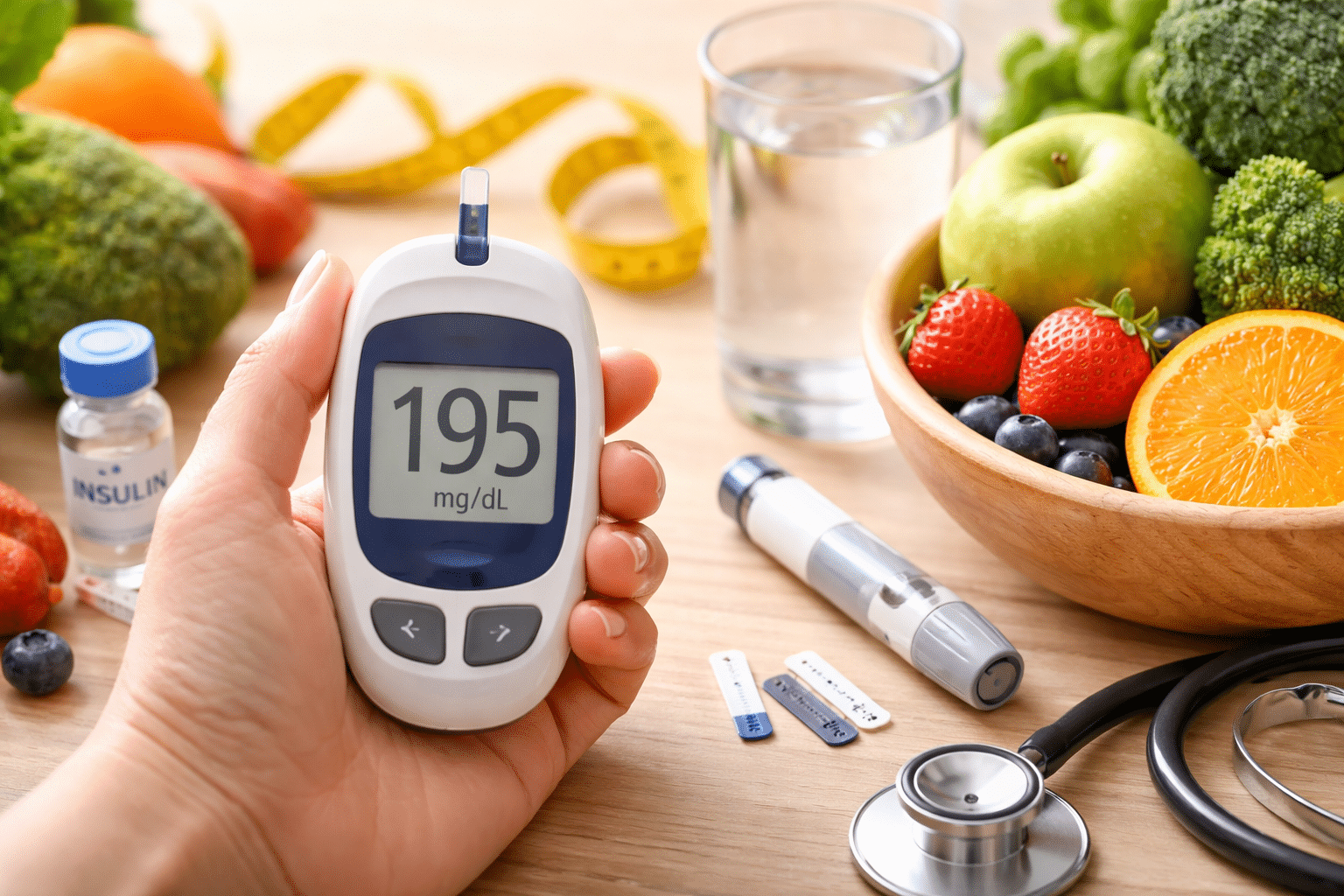
One of the secondary benefits of a vegan diet is its effectiveness in weight management, which is intrinsically linked to cholesterol levels. Excess body weight is a known risk factor for high cholesterol. A diet rich in plant-based foods typically has fewer calories and more fiber, aiding in weight loss and maintenance. This decrease in body weight is beneficial for lowering LDL cholesterol and increasing HDL cholesterol, thus improving the overall cholesterol profile.
Additionally, a well-balanced vegan diet tends to be lower in saturated fats and higher in complex carbohydrates, which promote satiety and reduce overall calorie intake. These dietary habits help in maintaining a healthy weight, which is crucial for keeping cholesterol levels in check and reducing the risk of obesity-related health issues.
Cholesterol And Chronic Diseases

High cholesterol is not only a risk factor for heart disease but also plays a significant role in the development of other chronic conditions, such as Type 2 diabetes and hypertension. These conditions are often interrelated, and managing cholesterol levels can have a positive effect on overall health. A vegan diet, by virtue of its low cholesterol and high fiber content, can aid in reducing the risk and severity of these chronic diseases.
Moreover, the abundance of phytochemicals and anti-inflammatory compounds in plant-based foods helps in combating inflammation, a common underlying factor in many chronic diseases. By adopting a vegan diet, individuals not only manage their cholesterol levels but also contribute to a healthier lifestyle that combats various chronic health issues.
Nutritional Considerations For Vegans

While a vegan diet offers numerous health benefits, it requires careful planning to ensure all nutritional needs are met. Essential nutrients, such as vitamin B12, iron, and omega-3 fatty acids, which are typically found in animal products, must be obtained through fortified foods or supplements. Ensuring a balanced intake of these nutrients is crucial for maintaining healthy cholesterol levels and overall health.
In addition to supplements, a variety of plant-based sources can provide these essential nutrients. For instance, leafy greens and legumes are excellent sources of iron, while flaxseeds and walnuts provide omega-3 fatty acids. Including a diverse range of foods in a vegan diet is key to meeting nutritional requirements and maintaining optimal health.
Lifestyle Changes Beyond Diet

While diet plays a significant role in managing cholesterol, other lifestyle factors are also important. Regular physical activity is crucial for maintaining a healthy weight and improving heart health. Exercise helps in raising HDL cholesterol levels and reducing LDL cholesterol, thus improving the overall cholesterol profile. Incorporating a routine of both aerobic and strength-training exercises can have a significant impact on cholesterol management.
Stress management and adequate sleep are also vital components of a holistic approach to health. High-stress levels and poor sleep patterns can negatively impact cholesterol levels and overall well-being. Mindfulness practices, such as yoga and meditation, along with ensuring sufficient sleep, are beneficial in maintaining a healthy lifestyle and managing cholesterol.
The Bottom Line
The benefits of consuming less cholesterol as part of a vegan lifestyle are extensive and impactful. This dietary choice not only aids in reducing the risk of heart disease and other chronic conditions but also promotes overall health through weight management and reduced inflammation. It’s important, however, to approach this lifestyle with a balanced perspective, ensuring that all nutritional needs are met through a diverse and well-planned diet. Coupled with regular exercise and stress management, a vegan diet can be a powerful tool in achieving and maintaining optimal health and well-being.