
Balancing Your Meals
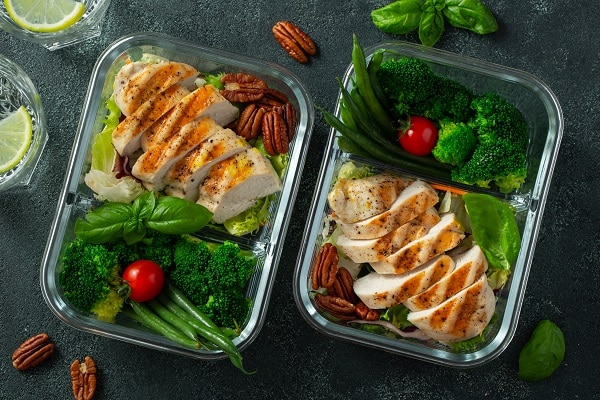
Creating a balanced meal is an art that can be easily mastered with a little practice and understanding. It involves incorporating all the food groups – grains, fruits, vegetables, proteins, and dairy or dairy alternatives. It is a visual approach to eating that ensures nutritional diversity. Picture the plate divided into sections; half the plate should be filled with fruits and vegetables, a quarter with lean proteins, and the remaining quarter with whole grains. Don’t forget a serving of dairy or dairy alternative to ensure a good supply of calcium.
While it’s essential to include all food groups in the meals, it’s equally important to consider portion sizes. Even healthy foods can contribute to weight gain and other health issues if consumed in excessive quantities. A simple way to control portion sizes is to use smaller plates and bowls, be mindful while eating, and listen to hunger and fullness cues. The goal isn’t to restrict but to enjoy a variety of foods in the right amounts.
Meal Planning And Prepping

Embracing a healthy diet can be made simpler with effective meal planning and prepping. It involves selecting meals and snacks for the upcoming week or days, creating a shopping list based on the meal plan, purchasing the required ingredients, and then preparing meals in advance. It’s an approach that not only saves time during the busy weekdays but also reduces the chances of resorting to unhealthy, convenience foods. When meals and snacks are planned and prepped, it’s easier to stick to a healthy diet.
Moreover, meal planning allows for greater nutritional balance. By visualizing meals for the week, it becomes feasible to ensure each food group is adequately represented and meals are varied. Similarly, meal prepping gives control over the ingredients used, which can significantly enhance the quality of the diet. Remember, meal planning and prepping aren’t about perfection but about making healthier choices easier.
Making Healthy Choices While Eating Out

Eating out doesn’t have to sabotage healthy eating goals. By being mindful and planning ahead, one can make nutritious choices even at restaurants. It can be beneficial to look at the menu online before heading to the restaurant to decide on a healthy option without the pressure of ordering on the spot. Moreover, understanding the language of the menu, knowing that terms like ‘fried’, ‘creamy’, ‘crispy’ often indicate high-fat content, can guide better choices.
When it comes to portions, restaurant meals often exceed the recommended serving sizes. It’s a good idea to box up half the meal or share it with a companion to avoid overeating. Another strategy is to fill up on a salad or a vegetable-based appetizer before the main course arrives. This helps control hunger and leaves less room for high-calorie mains. Eating out should be an enjoyable experience. With these tips, it’s possible to navigate dining out while keeping health in check.
Overcoming Barriers To Healthy Eating

Multiple barriers often impede the journey to healthy eating, with common ones being lack of time, perceived high cost of healthy foods, taste preferences, and lack of understanding about what constitutes a healthy diet. However, with strategic planning and a commitment to health, these barriers can be overcome. Batch cooking, using frozen fruits and vegetables, and learning quick and easy healthy recipes can counter time and cost constraints. For taste preferences, experimenting with herbs, spices, and different cooking techniques can enhance the flavor of meals without compromising their nutritional value.
It’s also essential to maintain a healthy relationship with food. This means addressing misconceptions about ‘good’ and ‘bad’ foods, and understanding that all foods can fit into a balanced diet in moderation. It also involves recognizing and managing emotional eating, which can lead to overconsumption of high-calorie, low-nutrient foods. It’s about listening to the body’s hunger and fullness cues, and eating a variety of foods that provide enjoyment as well as nourishment.
Embrace Healthy Eating Today!
This guide to healthy eating is more than a diet; it’s a lifestyle that promotes overall wellbeing. It’s about creating a sustainable relationship with food, one that fosters physical health and mental vitality. Although the journey to healthy eating may seem daunting, this comprehensive guide provides practical and achievable steps to make the transition smoother. Remember, it’s not about perfection but progress. Even small changes can have a significant impact. So, why wait? Let the revitalization begin today! It’s time to embrace the world of nourishing foods and enjoy the myriad benefits they offer.