
Nuts
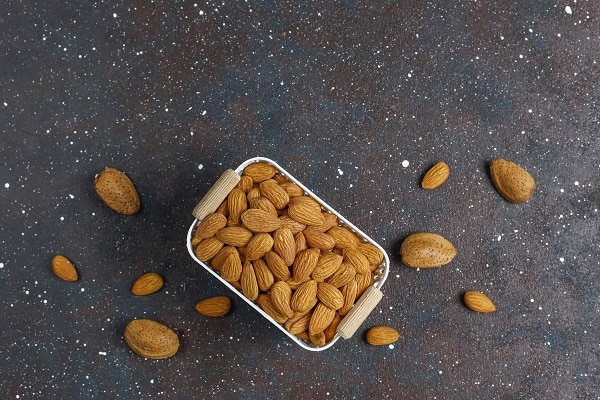
Almonds, walnuts, and other nuts are known for their beneficial fats, which include omega-3 fatty acids and monounsaturated fats. These fats contribute to reducing inflammation in the body. Nuts also contain vitamin E, which acts as an antioxidant, and magnesium, which has been shown to lower inflammation in people with metabolic syndrome. The fiber in nuts also plays a role in inflammation by helping to regulate body weight and insulin sensitivity, which are both linked to inflammatory processes.
Nuts make for a convenient and satisfying snack, but portion control is essential due to their high-calorie content. They can also be chopped and added to salads, yogurt, or oatmeal to enhance texture and nutritional value. Additionally, nut butters can be spread on whole-grain toast or fruit slices for a satisfying snack. The key is to choose unsalted and unroasted varieties to avoid added oils and sodium, which can negate some of the anti-inflammatory benefits.
Sweet Potatoes
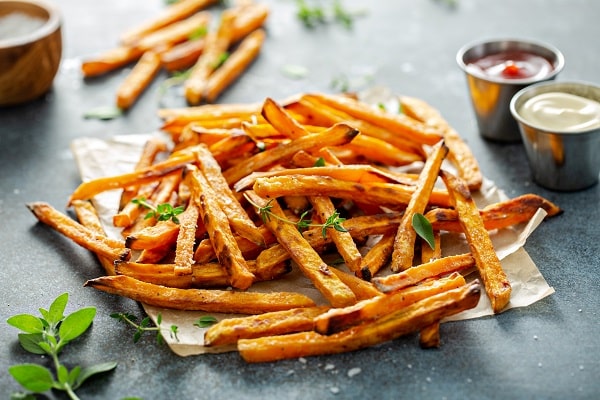
Sweet potatoes are not only delicious but also a rich source of anti-inflammatory nutrients. They are particularly high in beta-carotene, which the body converts to vitamin A, a powerful antioxidant. The fiber in sweet potatoes contributes to a healthy gut microbiome, which is essential for maintaining a balanced immune response and preventing chronic inflammation. They also provide vitamin C and magnesium, both of which have been shown to have anti-inflammatory effects.
There are many creative ways to enjoy sweet potatoes beyond the traditional baked or mashed methods. They can be spiralized into noodles, diced and roasted as a side dish, or even used in baking to add moisture and sweetness to bread and muffins. For a savory option, sweet potatoes can be stuffed with a mix of beans, vegetables, and spices, making a nutritious and anti-inflammatory meal. The versatility of sweet potatoes makes them an ideal ingredient for anyone looking to fight inflammation through their diet.
Turmeric
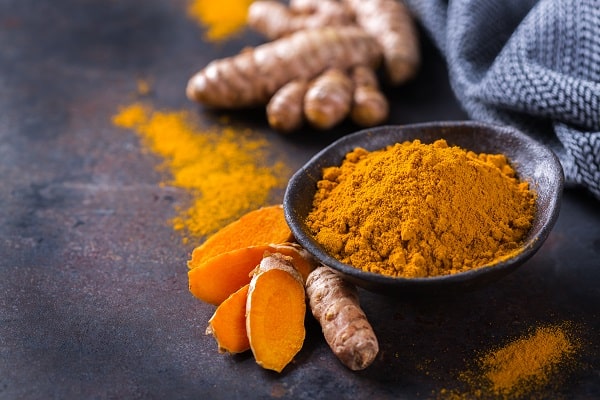
Turmeric’s vibrant yellow color is due to curcumin, a compound that has been extensively studied for its anti-inflammatory properties. Curcumin’s ability to inhibit enzymes that contribute to inflammation has been compared to that of certain pharmaceutical drugs, without the side effects. In addition to its anti-inflammatory benefits, curcumin also has antioxidant properties that further support overall health. However, curcumin is not easily absorbed by the body, but its bioavailability can be enhanced when paired with piperine, a compound found in black pepper.
Incorporating turmeric into the diet can be simple and tasty. It can be used to season vegetables, and legumes, adding a warm, earthy flavor to dishes. For a more direct approach, turmeric can be consumed as a tea or in supplement form, though it’s always best to consult with a healthcare provider before starting any new supplement regimen. When cooking with turmeric, adding a pinch of black pepper can increase the absorption of curcumin, making it more effective.
The Bottom Line
The role of diet in managing inflammation is clear, with numerous foods offering protective benefits. Each food discussed, from the lycopene-rich tomatoes to the curcumin-loaded turmeric, provides a unique set of nutrients that can help reduce inflammation. By incorporating these foods into a balanced diet, it is possible to harness their anti-inflammatory effects and support overall health. This dietary approach should be one component of a comprehensive health strategy that includes regular physical activity and consultation with healthcare professionals.