Tai Chi, Yoga, and Mind-Body Practices in Hypertension Management
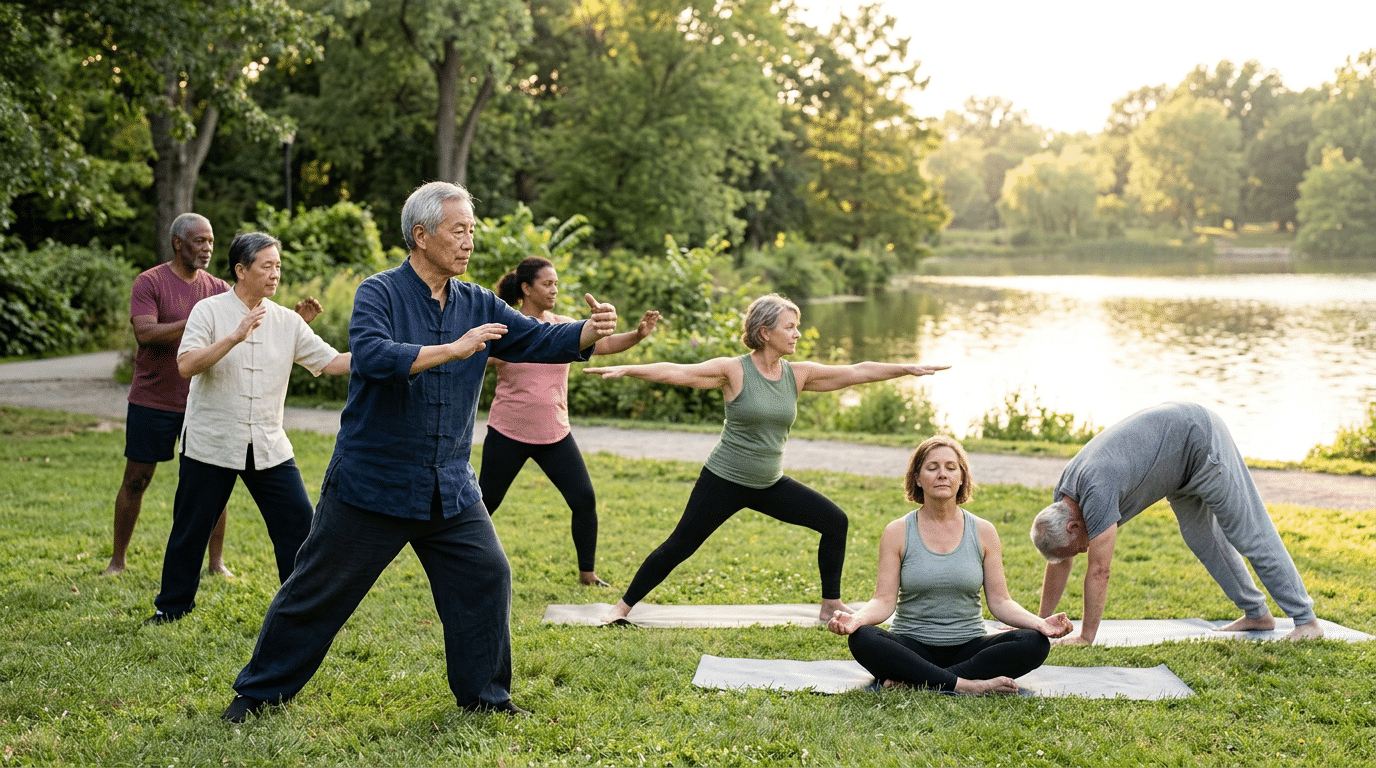
Mind-body practices, particularly Tai Chi, have attracted substantial clinical interest as alternatives or complements to conventional aerobic exercise for blood pressure management. A randomized clinical trial published in JAMA Network Open in February 2024, involving 342 participants between the ages of 18 and 65, directly compared Tai Chi with aerobic exercise in people with untreated prehypertension — blood pressure readings between 120–139/80–89 mm Hg. Both groups participated in one-hour sessions four times per week for 12 months. At the end of the study, participants in the Tai Chi group showed significantly greater reductions in systolic blood pressure than those in the aerobic exercise group, marking a notable finding given how deeply aerobic exercise is entrenched in standard hypertension guidelines.
Researchers and clinicians have proposed several explanations for Tai Chi’s apparent effectiveness. The practice combines controlled, flowing movements with deep, regulated breathing and a sustained focus on mindfulness — a combination that may simultaneously address both the physiological and psychological contributors to elevated blood pressure. Stress and its associated hormonal responses are well-documented factors in blood pressure elevation, and Tai Chi’s emphasis on relaxation and body awareness may mitigate these effects in ways that more vigorous forms of exercise do not. A 2024 overview of systematic reviews published in the Journal of Clinical Hypertension, encompassing 39 reviews, concluded that exercise training — whether Western aerobic exercise or Chinese modalities like Tai Chi, Baduanjin, and Qigong — generally reduced both systolic and diastolic blood pressure, with Tai Chi showing comparable effectiveness to aerobic training. The same review noted that these lower-intensity Chinese exercise forms may be particularly suitable for middle-aged and older populations.
Practical Guidance
Getting Started Safely: Dosage, Frequency, and Important Considerations
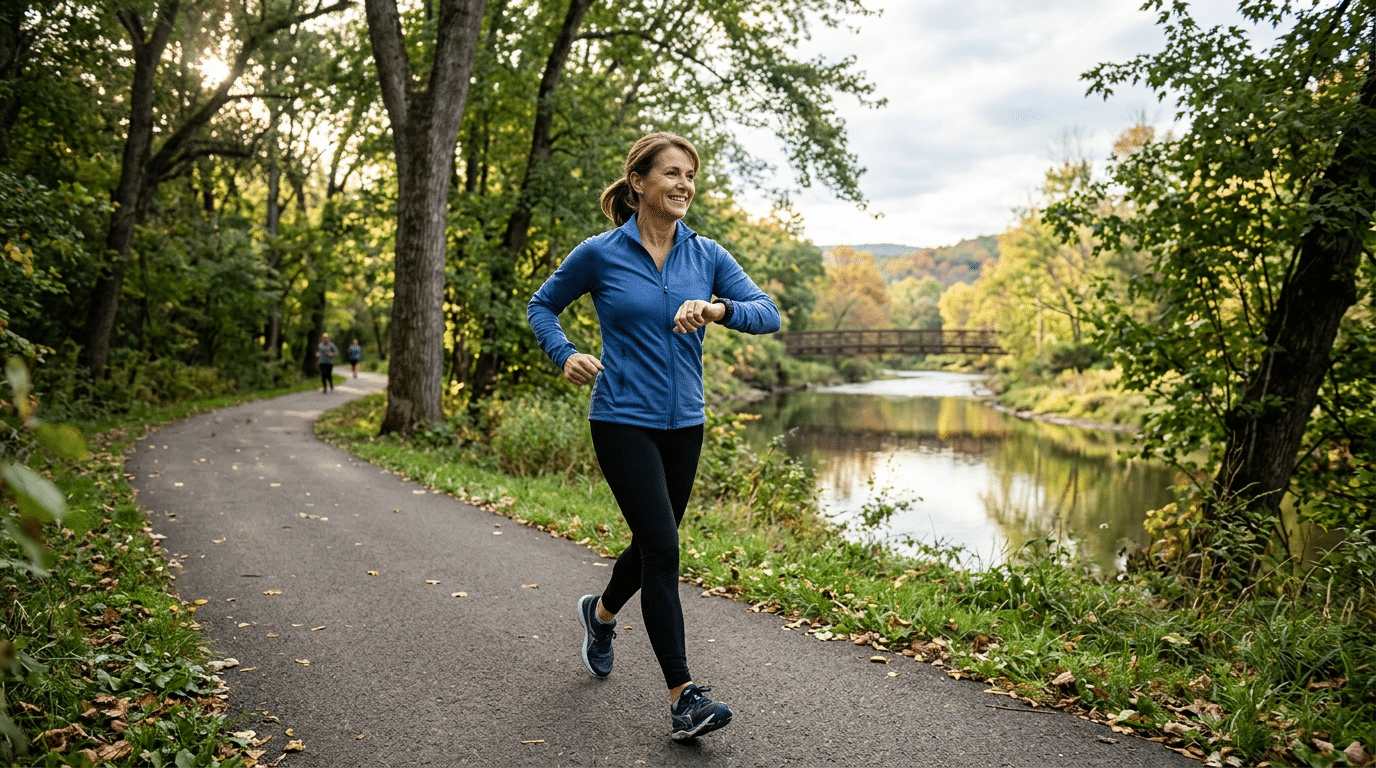
Translating clinical findings into practical, day-to-day exercise habits requires attention to dosage, frequency, and individual health circumstances. The American Heart Association recommends at least 150 minutes of moderate-intensity aerobic activity per week for adults seeking cardiovascular benefits, a target supported by both the 2024 ESC guidelines and the joint 2025 AHA/ACC hypertension guideline. Mayo Clinic advises against trying to do too much too soon, recommending a gradual approach: starting slow, building consistency, and working more movement into daily routines before advancing to more demanding sessions. For those already taking antihypertensive medications, research is reassuring — a Frontiers in Sports and Active Living meta-analysis found that aerobic training reduced systolic and diastolic blood pressure significantly in both users and non-users of antihypertensive drugs, suggesting that exercise and medication can work in parallel rather than in opposition.
Exercise “snacks” — short, frequent bouts of vigorous activity spread throughout the day — are increasingly recognized as a viable approach for people who cannot commit to continuous 30-minute sessions. Geisinger Health has highlighted this concept in the context of blood pressure management, noting that two-minute bouts of activity can accumulate to meet daily fitness targets. Beyond frequency and duration, intensity also matters. The 2023 BJSM network meta-analysis found that high-intensity interval training did not consistently outperform moderate-intensity continuous training for blood pressure, a finding echoed by the Journal of Clinical Hypertension overview, suggesting that moderate, sustainable effort is at least as valuable as maximizing intensity. Regardless of the chosen activity, anyone with diagnosed hypertension or a history of cardiovascular disease should consult a qualified healthcare provider before beginning or substantially changing an exercise program.
Key Takeaways
Major guidelines from the AHA, ACC, and ESC recommend at least 150 minutes of moderate-intensity aerobic activity per week, supplemented by resistance training two to three times weekly, as a primary lifestyle strategy for blood pressure management.
Isometric exercises such as wall sits and planks demonstrated the greatest average systolic blood pressure reductions (−8.24 mm Hg) in a 2023 meta-analysis of 270 clinical trials, surpassing aerobic, resistance, combined, and HIIT modalities.
A 2024 JAMA Network Open trial found Tai Chi more effective than aerobic exercise for reducing blood pressure in people with prehypertension after 12 months of regular practice — broadening recognized options beyond conventional cardio.
Even small increases in daily vigorous movement — as little as five extra minutes — have been associated with measurable blood pressure reductions, according to a 2024 Circulation study analyzing data from nearly 15,000 people across five countries.
Moving Toward Better Cardiovascular Health
From Evidence to Action: Making Exercise Work for Your Blood Pressure
The science linking physical activity to measurable, clinically meaningful reductions in blood pressure is now extensive, nuanced, and increasingly practical in its guidance — pointing not to a single ideal exercise, but to a spectrum of options suited to different ages, abilities, and preferences, from brisk morning walks and resistance circuits to Tai Chi sessions and static wall sits. What the evidence collectively affirms is that consistency matters more than perfection, that moderate effort sustained over time is at least as valuable as peak intensity, and that the best exercise for lowering blood pressure is ultimately the one an individual can realistically and safely maintain — a conclusion that transforms the question from whether to exercise into simply how to begin.
Getting Early Sunlight Exposure Exposure to natural light in the morning plays a role in regulating the body’s internal clock, also known as the circadian…
Activities like walking, jogging, swimming, cycling, and even dancing can contribute to improved heart health. Moreover, everyday activities such as gardening, taking the stairs, or…