Diagnosing Iron Deficiency
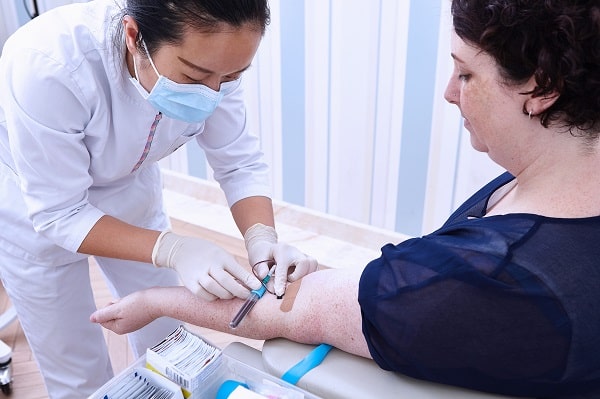
Iron deficiency is usually diagnosed through blood tests. Your healthcare provider might check your hemoglobin and hematocrit levels, representing the amount of hemoglobin and the proportion of blood volume made up of red blood cells. A lower-than-normal level of either of these could indicate iron deficiency. Other iron-specific tests include serum ferritin, which measures the amount of stored iron, and serum iron and iron-binding capacity, which indicate the amount of iron circulating in your blood.
Understanding your test results is equally important. It is necessary to consult with your healthcare provider to correctly interpret these results, as numbers can sometimes be misleading. For instance, your hemoglobin levels might be normal, but you could still be iron deficient if your ferritin levels are low. The importance of a proper diagnosis cannot be overstressed, as it can pave the way for effective treatment and prevent further health complications.
Treatment And Prevention Of Iron Deficiency

In many cases, dietary changes can significantly improve iron levels in your body. Incorporating more iron-rich foods like red meat, poultry, beans, and iron-fortified cereals in your diet can be a good start. Also, certain foods can enhance iron absorption; for example, vitamin C-rich foods like oranges, strawberries, and bell peppers can enhance the absorption of non-heme iron.
For some, iron supplements may be recommended by a healthcare provider, particularly when dietary changes are not enough. Iron supplements can quickly restore iron levels but can also cause side effects like constipation and nausea. Different types of iron supplements are available, including ferrous and ferric iron salts, and each has different pros and cons. For severe cases, intravenous iron may be necessary. For instance, John, a patient with Crohn’s disease, could not absorb enough iron through food or oral supplements. He successfully overcame his iron deficiency through intravenous iron therapy, illustrating that a personalized treatment plan can effectively manage iron deficiency.
Potential Risks Of Excessive Iron Intake

Like deficiency, excess iron in the body, known as hemochromatosis, can lead to health problems. Too much iron can damage your organs, especially your liver and heart, and increase your risk of diabetes. Thus, while ensuring adequate iron intake is essential, balance is key.
Striking the right balance isn’t always easy. You need enough iron to avoid deficiency, but not so much that it leads to overload. Regular monitoring and consultation with your healthcare provider can help maintain this delicate balance. They can guide you on the right amount of iron intake based on your specific needs and circumstances.