

Incorporating Ecotherapy into Daily Life
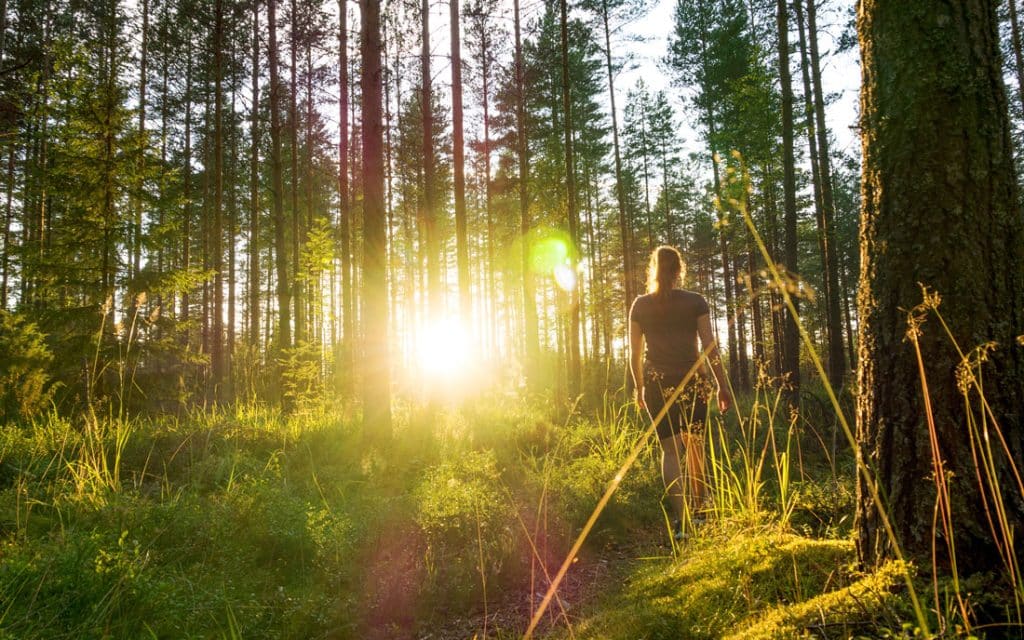
Incorporating ecotherapy into one’s daily routine need not be daunting. Simple activities like taking a walk in a local park, spending time in a garden, or even caring for houseplants can be entry points into ecotherapy. These activities can easily be integrated into daily life, requiring minimal time and resources while offering significant benefits. For those living in urban environments, seeking out green spaces such as community gardens, rooftop gardens, or even participating in tree-planting initiatives can provide opportunities to connect with nature. The key is to make these activities a regular part of one’s schedule, allowing for moments of pause and reconnection amidst the hustle and bustle of city life.
Expanding on this, mindfulness practices can enhance the ecotherapy experience, turning ordinary outdoor activities into profound moments of connection. Practicing mindfulness or meditation in a natural setting, focusing on the breath while observing the surrounding beauty, can deepen the therapeutic effects of ecotherapy. It’s about being present at the moment and fully engaging with nature’s sensory experiences—listening to the sound of leaves rustling in the wind, feeling the bark’s texture, or observing a flower’s intricate patterns. These practices contribute to mental well-being and foster a deeper appreciation and care for the natural world.
Community and Ecotherapy
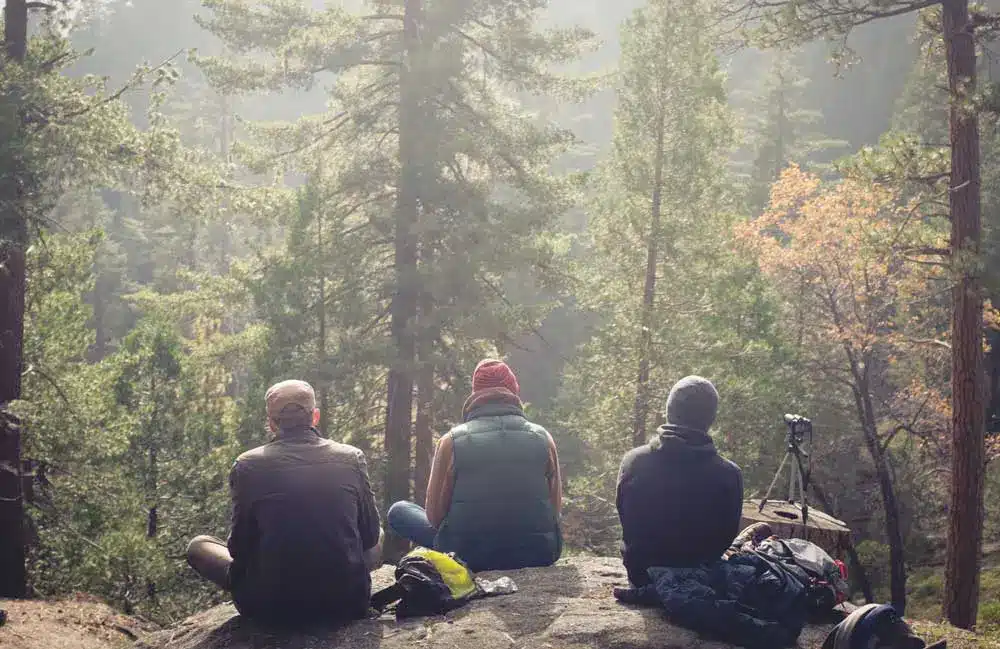
Ecotherapy can also be a communal activity, strengthening bonds with others while engaging with nature. Group hikes, community gardening projects, or group meditation sessions in natural settings can provide a sense of belonging and support that enhances healing. These shared experiences in nature can break down feelings of isolation and foster a supportive network critical for mental health and well-being. Moreover, participating in community-based environmental conservation efforts, such as clean-up drives or wildlife protection initiatives, can provide a sense of purpose and fulfillment, further enriching the ecotherapy experience.
Advocating for green spaces within communities is another aspect of ecotherapy that extends its benefits beyond the individual to the societal level. By promoting the development and preservation of parks, greenways, and natural reserves, communities can ensure that ecotherapy practices are accessible to all members. This not only enhances the quality of life for residents but also contributes to the area’s environmental health. Encouraging urban planning that prioritizes green spaces and natural habitats can create more opportunities for ecotherapy, making it an integral part of community wellness and sustainability efforts.
Overcoming Barriers to Ecotherapy
Despite its numerous benefits, accessing ecotherapy can be challenging for some individuals due to physical, geographical, or socio-economic barriers. Finding ways to connect with nature can seem daunting for those with mobility issues or those living in areas with limited access to natural spaces. However, adaptive strategies, such as virtual nature experiences, accessible garden spaces, and community programs designed to bring nature to people, can help overcome these barriers. Ecotherapy practitioners and community leaders must work towards inclusivity, ensuring that everyone, regardless of their circumstances, can experience the healing power of nature.
Moreover, psychological barriers, such as a lack of awareness or misconceptions about ecotherapy, can hinder participation. Education and outreach are key to dispelling myths and promoting the benefits of ecotherapy. By sharing success stories and information on how to get started, potential participants can be encouraged to explore ecotherapy as a viable option for enhancing their health and well-being. Overcoming these barriers requires a concerted effort from individuals, healthcare providers, and communities to embrace ecotherapy’s potential and make it accessible to all.
Embracing the Future of Ecotherapy
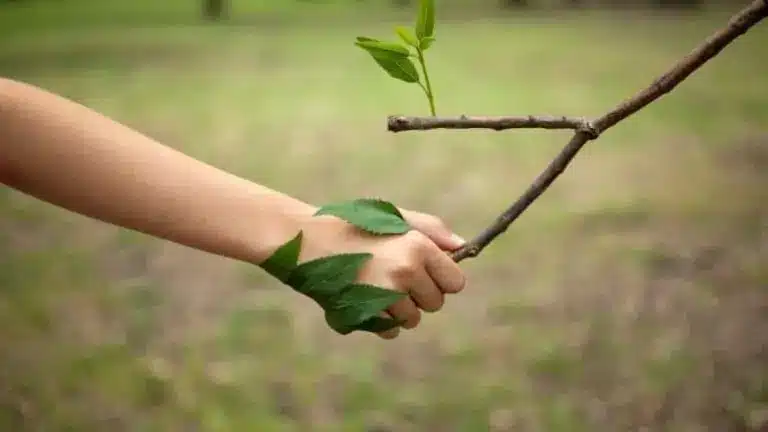
As awareness of ecotherapy grows, so does its potential to revolutionize how we think about health and wellness. The future of ecotherapy lies in its integration into mainstream healthcare practices, where it can be prescribed alongside traditional treatments for various conditions. Research into the therapeutic effects of nature is expanding, providing a scientific basis for ecotherapy that complements anecdotal evidence of its benefits. This could lead to more tailored ecotherapy interventions designed to meet the specific needs of individuals, further enhancing its effectiveness.
Furthermore, the role of technology in ecotherapy is evolving, with virtual reality and digital platforms offering new ways to experience nature, especially for those unable to access outdoor spaces easily. While technology cannot replace the experience of being in nature, it can serve as a valuable tool in the ecotherapy toolkit, providing alternative avenues for connection and healing. As we move forward, the challenge will be to balance technological advancements with the fundamental human need for direct contact with the natural world, ensuring that ecotherapy remains grounded in genuine experiences of nature.
The Bottom Line
Ecotherapy represents a holistic approach to healing, grounded in the timeless wisdom that connection with the earth is essential for well-being. Through practices ranging from gardening and forest bathing to community conservation efforts, ecotherapy offers a pathway to physical, mental, and emotional health that is accessible, sustainable, and profoundly healing. By incorporating ecotherapy into our lives and communities, we can foster a deeper connection with the natural world, enhancing not only our health but also the health of the planet.