

Ecotherapy And Mental Health Disorders
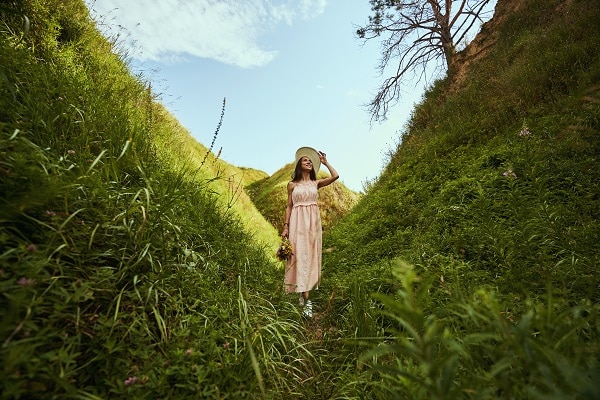
Ecotherapy has shown promise in alleviating symptoms associated with a variety of mental health disorders. From anxiety and depression to post-traumatic stress disorder (PTSD), the therapeutic power of nature is increasingly recognized as a viable adjunct treatment. In many cases, the relaxation and stress relief provided by ecotherapy can directly counteract the stress and tension associated with these disorders.
For instance, research has demonstrated that ecotherapy can lead to significant reductions in depression and anxiety symptoms. In one study, individuals with depression who participated in regular nature walks reported improved mood and self-esteem. Similar benefits have been reported for anxiety and PTSD, with individuals finding that time in nature can help manage symptoms and promote relaxation. Importantly, these benefits often persist beyond the immediate nature experience, suggesting that ecotherapy can contribute to long-term mental health improvements.
Practical Ways To Implement Ecotherapy
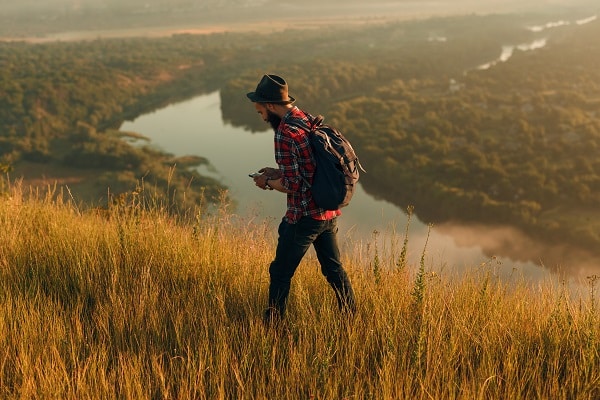
Incorporating ecotherapy into your life does not have to be complicated or time-consuming. Simple activities like walking in a park, gardening, or bird-watching can all provide the benefits of nature interaction. Even indoor activities like tending to houseplants or practicing mindfulness while looking out a window can serve as a form of ecotherapy.
For those interested in more structured programs, there are numerous ecotherapy initiatives available. These can range from formal therapeutic wilderness programs to community gardening projects or conservation activities. A simple online search can often reveal local options. Keep in mind any barriers you might encounter – like accessibility to green spaces or mobility restrictions – can usually be addressed with some creativity and adaptability.
Case Studies Of Successful Ecotherapy

Several case studies illustrate the profound impact ecotherapy can have. For example, a program in the UK encouraged individuals struggling with mental health disorders to engage in conservation work. Participants reported improved mood, increased self-esteem, and a greater sense of social inclusion after taking part in the program.
Another case involved a group therapy program that incorporated regular nature walks. Participants experienced reductions in symptoms of depression and anxiety, with many noting that they felt more connected to their surroundings and more present in their lives. These case studies underscore the transformative potential of ecotherapy, not just as a treatment for mental health disorders but also as a tool for fostering overall well-being and a deeper connection to the world around us.