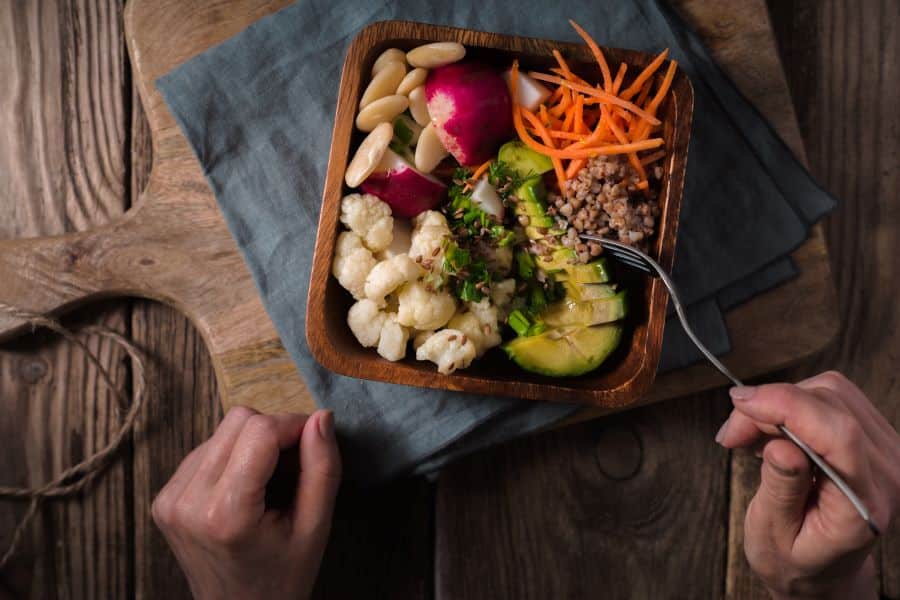

Turmeric Cauliflower Rice

This Turmeric Cauliflower Rice offers a low-carb, delicious side dish that goes well with various main courses. The turmeric adds a splash of color and a mild earthy flavor.
Ingredients:
- 1 large head of cauliflower
- 1 teaspoon of ground turmeric
- 2 tablespoons of olive oil
- Salt and pepper to taste
Preparation:
- Pulse the cauliflower in a food processor until it resembles rice.
- Sauté with turmeric, olive oil, salt, and pepper until tender.
Serving Suggestions:
Serve hot, garnished with fresh herbs or a sprinkle of sesame seeds.
Turmeric Mango Sorbet

End your meal on a refreshing note with Turmeric Mango Sorbet. This frozen treat, infused with the goodness of turmeric, offers a tropical escape in every spoonful.
Ingredients:
- 3 ripe mangoes, peeled and chopped
- 1 teaspoon of ground turmeric
- 1/4 cup of sugar or sweetener of choice
Preparation:
- Blend the mangoes, turmeric, and sugar until smooth.
- Freeze for 4 hours, stirring occasionally.
- Scoop and serve.
Serving Suggestions:
Serve in chilled bowls or glasses, garnished with a sprig of mint or a slice of lime.
Storing And Preserving Turmeric
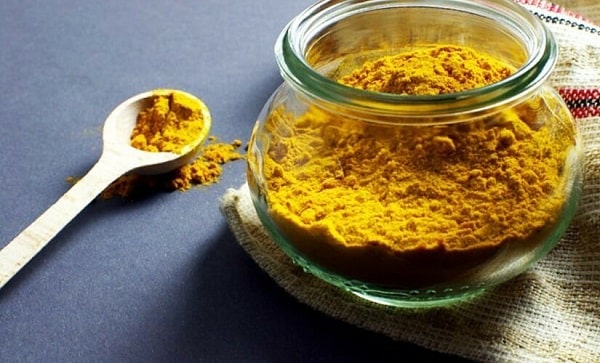
Whether fresh or ground, turmeric has specific storage requirements to maintain its quality and potency. Fresh turmeric roots should be kept in a cool and dark place, preferably in the refrigerator, wrapped in a paper towel, and placed inside a plastic bag. Ground turmeric can be stored in an airtight container in a dark cupboard, away from heat and light. The proper storage of turmeric ensures that its flavor and nutritional benefits remain intact, allowing you to enjoy it in various recipes.
Preserving turmeric is another way to extend its shelf life and maintain its vibrant taste. Turmeric roots can be frozen, either whole or grated, and later used in cooking. You can also make turmeric paste by mixing ground turmeric with water and some oil and storing it in the refrigerator for future use. This paste can be a convenient addition to smoothies, soups, or curries. Understanding the best ways to store and preserve turmeric can ensure that you always have this remarkable spice ready for culinary exploration.
Tips And Tricks For Cooking With Turmeric
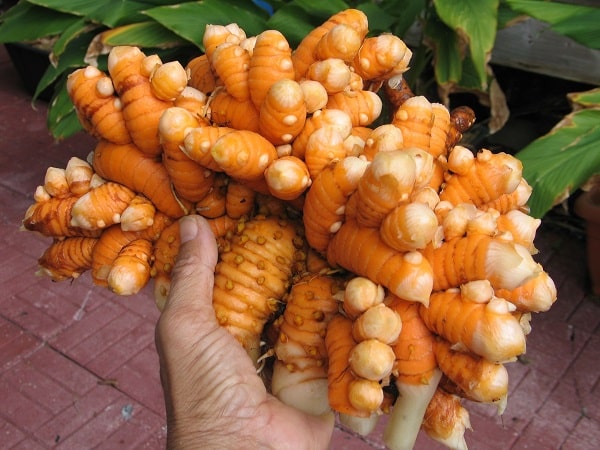
Cooking with turmeric can be an enriching experience, but there are some tips that can enhance its use in the kitchen. For instance, pairing turmeric with black pepper can increase the absorption of its beneficial compound, curcumin. Using fresh turmeric can provide a more vibrant flavor, while ground turmeric is usually more convenient. Wearing gloves while handling fresh turmeric can prevent staining, and a little fat in the recipe can bring out its flavor. These little tricks can help you make the most of turmeric’s culinary potential.
While turmeric offers numerous health benefits, it’s essential to consider some precautions. Turmeric can interact with certain medications and may not be suitable for individuals with specific health conditions, like gallstones. It’s also vital to recognize that while turmeric can add flavor and nutrients to your meals, it’s not a miracle cure for ailments. Consulting with a healthcare provider if you plan to consume turmeric in medicinal amounts is wise. These considerations ensure that you can enjoy cooking with turmeric while being mindful of its effects on your health.
Enhance Your Culinary Experience By Cooking With Turmeric!
With its earthy taste and golden glow, turmeric offers a world of culinary possibilities, as showcased in the six diverse recipes shared in this post. From breakfast smoothies to delicious sorbets, this versatile spice can enhance meals across the day. Beyond its flavorful contribution, the additional benefits of anti-inflammatory and antioxidant properties make turmeric a valuable addition to any kitchen. Experimenting with these recipes or creating your own turmeric-infused dishes can lead to delightful culinary discoveries, enriching your meals with both flavor and health benefits!