

Breathwork, an essential aspect of holistic wellness, has garnered attention for its profound impact on health and well-being. At the heart of this practice lies Pranayama, a yogic discipline that harnesses the power of breath control to rejuvenate both mind and body. Delving into the power of Pranayama offers insights into its ancient roots and presents a pathway towards achieving mental clarity, physical health, and emotional balance. This post aims to explore the multifaceted benefits of this practice, guiding readers through its science, techniques, and transformative potential for health.
The Science Behind Breathwork

Breathwork operates on the principle of regulating the autonomic nervous system, which controls your stress response. By consciously altering your breathing patterns through Pranayama, you can shift from a state of fight-or-flight to one of rest and digest, thereby reducing stress and enhancing your overall health. This shift not only calms the mind but also has a positive effect on your physiological functions, illustrating the interconnectedness of your breathing with your mental and physical states.
The impact of controlled breathing extends beyond mere stress reduction; it can significantly improve your mental health. Studies have shown that regular Pranayama practice leads to lower levels of cortisol, the stress hormone, and enhances the production of neurotransmitters that promote feelings of well-being. This evidences Pranayama’s role not just in managing stress but also in preventing anxiety and depression, making it a powerful tool in maintaining mental health.
The Essence Of Pranayama
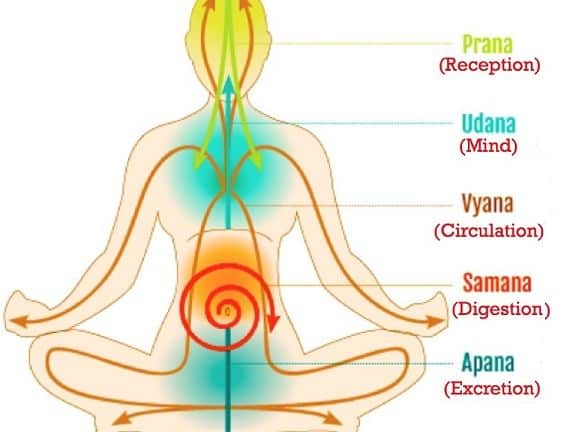
Pranayama, which stems from the Sanskrit words “prana,” meaning life force, and “ayama,” meaning control, is an ancient yogic practice centered around the regulation of breath. This practice is integral to yoga, serving as a bridge between the physical and mental disciplines of the tradition. By mastering the flow of prana through breath control, practitioners can unlock profound spiritual and health benefits, according to yogic philosophy.
There are various forms of Pranayama, each with its specific techniques and benefits. Anulom Vilom (alternate nostril breathing) promotes balance and harmony between the body’s energy channels, while Kapalbhati (skull-shining breath) energizes and detoxifies the body. These and other techniques enrich one’s yoga practice and cater to different health and wellness goals, showcasing Pranayama’s versatility and depth.
Getting Started

Before diving into Pranayama, it’s essential to prepare the body and mind. Adopting a comfortable seated posture and cultivating a state of mindfulness sets the foundation for effective practice. Beginners are encouraged to start with simple techniques, focusing on the rhythm and depth of their breath, to gradually build their capacity for more advanced practices. This preparatory phase is crucial in ensuring that the practice is both safe and beneficial.
For those new to Pranayama, beginning with techniques such as Anulom Vilom (alternate nostril breathing) or Ujjayi (ocean breath) can be particularly rewarding. These practices help regulate the breath and promote a sense of calm and focus. By starting with these foundational techniques, practitioners can slowly explore the vast landscape of Pranayama, each step bringing them closer to mastering their breath and unlocking its healing potential.
Deepening Your Practice
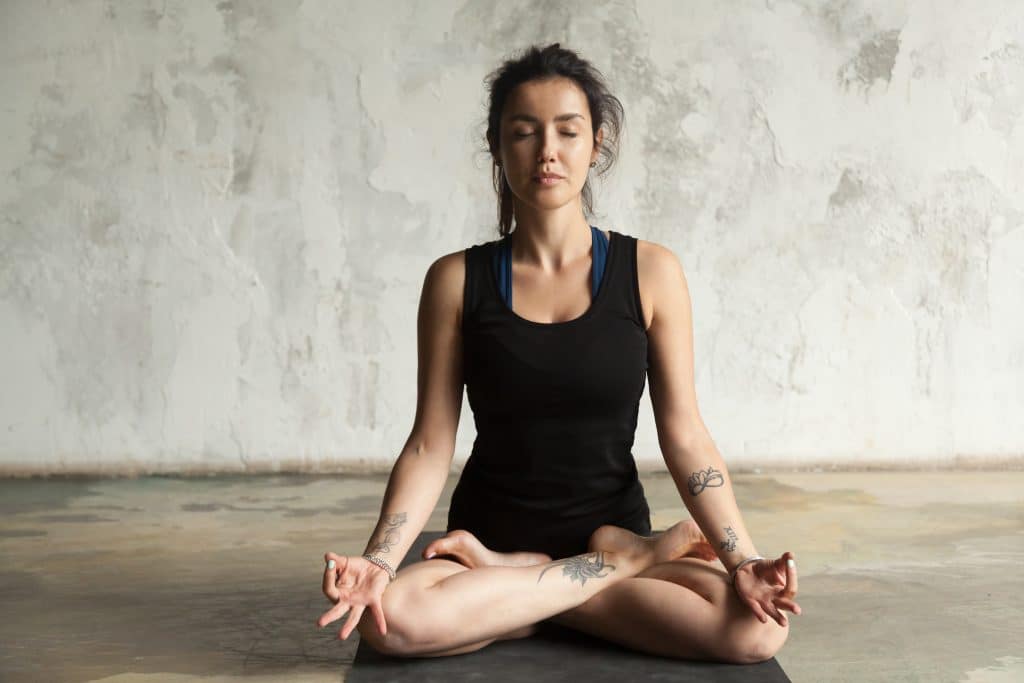
As practitioners become more comfortable with basic Pranayama techniques, they may feel drawn to explore more advanced practices. Bhastrika (bellows breath) and Kapalbhati (skull shining breath), for example, are powerful techniques that energize the body and clear the mind. These practices require a certain level of physical and mental readiness but offer profound benefits, including enhanced vitality and mental clarity.
Incorporating Pranayama into daily meditation and yoga routines can significantly deepen one’s practice. It not only enhances the benefits of physical postures by increasing breath awareness and control but also aids in achieving a meditative state more readily. As the breath becomes a bridge to deeper self-awareness, practitioners often report a heightened sense of peace and connection to their inner selves.