
Limiting Alcohol And Avoiding Tobacco
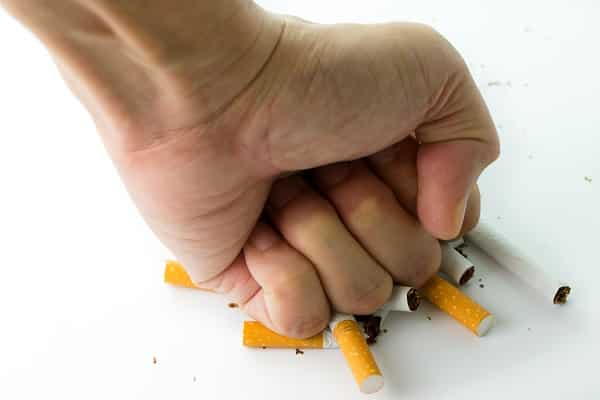
Both alcohol and tobacco have established harmful effects on blood pressure. While moderate alcohol consumption – defined as up to one drink a day for women and two for men – can have a potentially protective effect on the heart, excessive drinking is detrimental. High alcohol intake can elevate blood pressure, cause heart rhythm abnormalities, and contribute to many other health problems.
Tobacco, on the other hand, poses significant risks to cardiovascular health. Each puff of a cigarette leads to a temporary increase in blood pressure and heart rate. Moreover, the chemicals present in tobacco can damage blood vessel walls, causing arterial stiffness, which over time can elevate blood pressure permanently. Quitting smoking not only helps bring blood pressure back to normal levels but also significantly reduces the risk of heart disease and other health problems.
Managing Stress

There is a strong correlation between chronic stress and high blood pressure. Stress triggers the body’s ‘fight or flight’ response, causing a temporary rise in blood pressure. If this stress is chronic, it can lead to persistent high blood pressure, increasing the risk of cardiovascular diseases. Thus, effective stress management is essential for maintaining optimal blood pressure levels.
Various techniques, such as mindfulness meditation, yoga, and deep breathing exercises, have been shown to reduce stress effectively and, in turn, lower blood pressure. These techniques can help relax the mind and body, reducing physical tension and mental stress. Furthermore, maintaining a healthy work-life balance and taking time out for enjoyable activities can significantly contribute to stress reduction and improved blood pressure control.
Regular Check-Ups And Monitoring

Regular health check-ups and monitoring blood pressure at home are vital for early detection and effective management of high blood pressure. Knowing your blood pressure numbers facilitates timely intervention and helps prevent complications. For most adults, getting a check-up done at least once a year is considered adequate.
Home blood pressure monitoring devices are now readily available and convenient to use. Regular and accurate readings from these devices can assist in managing medication dosage and lifestyle changes more effectively. However, it’s crucial to choose a device that fits well and is clinically validated for accuracy.
Medication Compliance
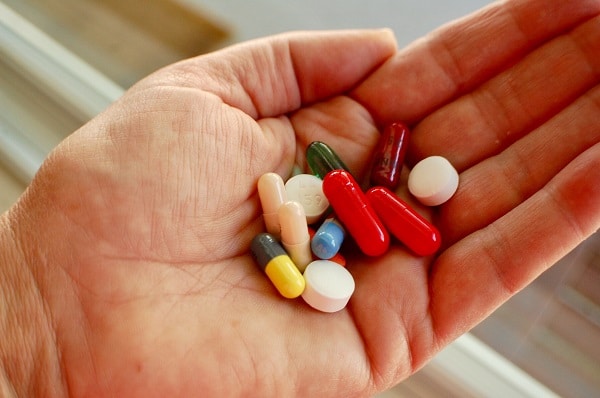
For individuals who have been prescribed blood pressure medications, it is absolutely crucial to adhere to the prescribed regimen. These medications are designed to control blood pressure, prevent complications, and improve quality of life. They come in different types, and each one works in a distinct manner to lower blood pressure.
Taking these medications as directed by a healthcare professional is of utmost importance, even when one feels healthy. Regular follow-ups with the healthcare provider ensure that the medication is effectively controlling blood pressure and any side effects, if present, are managed promptly.
Weight Management
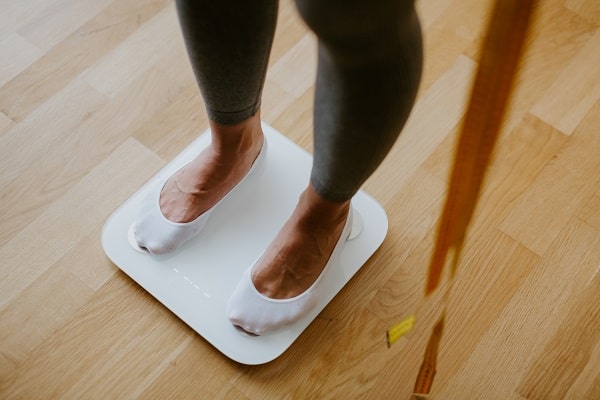
There’s a strong correlation between being overweight or obese and having high blood pressure. Excess weight puts added strain on the heart, causing it to work harder and increasing blood pressure. Therefore, losing even a small amount of weight can have a significant impact on blood pressure levels.
Achieving and maintaining a healthy weight involves a combination of a balanced diet and regular physical activity. Even modest weight loss, such as 5-10% of the body’s weight, can provide substantial health benefits, including significant reductions in blood pressure levels.
Lower Your Blood Pressure Today!
In conclusion, lowering blood pressure involves more than just taking prescribed medication. It requires a comprehensive lifestyle modification. By incorporating a balanced diet, regular exercise, effective stress management techniques, regular blood pressure monitoring, medication adherence, and weight management into everyday life, one can significantly reduce blood pressure levels and enhance overall health. Making these changes might require some effort, but the resulting healthier and happier life is certainly worth it.