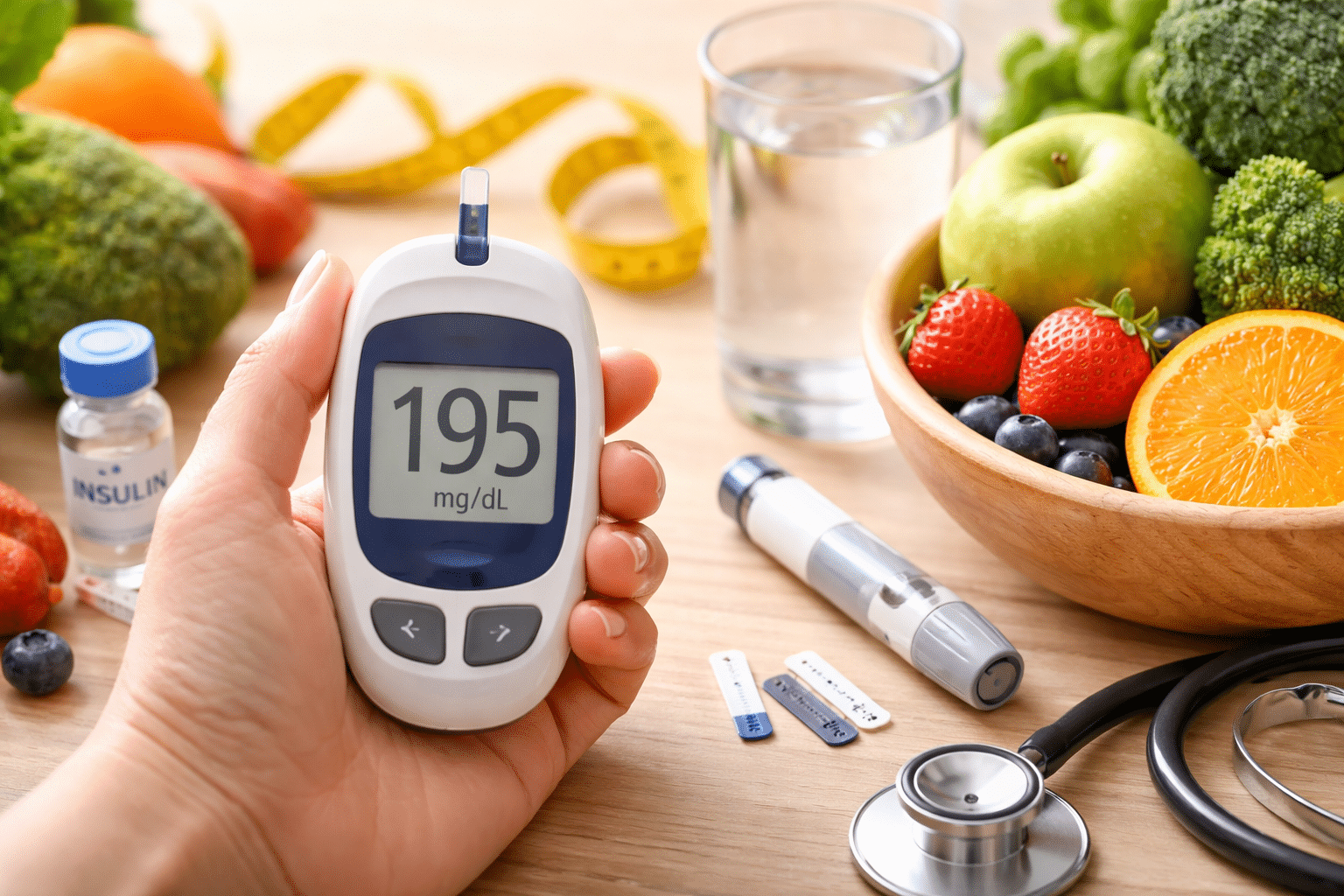
Drinking enough water is essential for boosting metabolism naturally. Aim to drink at least eight glasses of water daily, and more if you exercise or in a hot climate. Avoid sugary and caffeinated drinks, leading to dehydration and harm to overall health.
Get Enough Sleep

Getting enough sleep is essential for many aspects of health, including metabolism. Sleep is a time for the body to rest and repair; a lack of sleep can lead to metabolic dysfunction and weight gain.
Research has shown that a lack of sleep can lead to an increase in the hunger hormone ghrelin and a decrease in the satiety hormone leptin, which can lead to overeating and weight gain. In addition, a lack of sleep can lead to an increase in the stress hormone cortisol, which can lead to a decrease in metabolism and an increase in fat storage.
Aim to get seven to nine hours of sleep per night to improve sleep and boost metabolism. Establish a regular sleep routine and create a comfortable sleep environment free from distractions such as electronic devices.
Manage Stress

Stress can harm metabolism, as it can lead to an increase in the stress hormone cortisol, which can lead to a decrease in metabolism and an increase in fat storage. In addition, stress can lead to overeating and poor food choices, leading to weight gain and metabolic dysfunction.
Consider incorporating stress-reducing activities into your daily routine to manage stress and boost metabolism. This can include activities such as yoga, meditation, deep breathing, or spending time in nature. Regular exercise can also be an effective way to manage stress and boost metabolism.