
Reduce The Risk Of Alzheimer’s

There is currently no cure for Alzheimer’s disease, but treatments available can help improve the quality of life for those affected by it. One study found that curcumin, the active ingredient in turmeric, improved memory and cognitive function in those with Alzheimer’s disease. Another study published found that a compound found in turmeric could reduce the build-up of amyloid plaques in the brain, which can contribute to the development of Alzheimer’s disease. While more research is needed in this area, it is clear that turmeric has the potential to be a helpful treatment for Alzheimer’s disease. If you or someone you know has Alzheimer’s disease, speak with your doctor about adding turmeric to your diet.
Help Fight Depression

Turmeric can also help fight depression by increasing serotonin and dopamine levels in the brain. These two neurotransmitters play a role in mood and happiness. Serotonin is often referred to as the “happy chemical” because of its ability to boost mood. Therefore, by increasing levels of these neurotransmitters, turmeric can help improve your mood and fight depression. Not only does turmeric help improve your mood, but it can also help reduce inflammation in the brain. Inflammation in the brain can cause depression and other mental health conditions. Therefore, by reducing inflammation, turmeric can help improve your overall mental health and fight against depression.
How To Incorporate Turmeric Into Your Diet
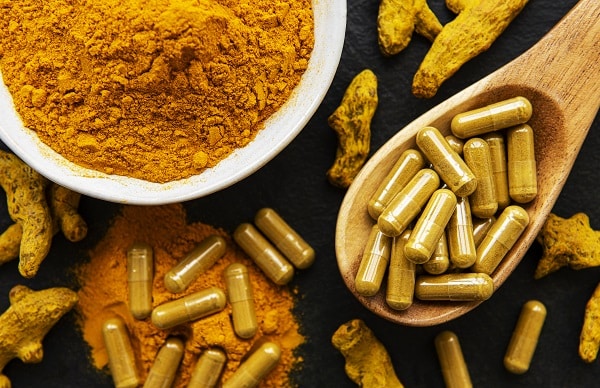
Now that you know all of the fantastic health benefits of turmeric, you’re probably wondering how you can incorporate it into your diet. While there are many different ways to do this, one of the simplest is to add it to your food. You can find turmeric powder at most grocery stores.
Once you have the powder, you can add it to whatever dish you’re making. If you’re not a fan of the taste of turmeric, don’t worry! The flavor is not very strong, so it won’t overpower your dish. You can also take turmeric supplements to get your daily dose of this powerful spice. Just remember to speak with your doctor before taking any supplements to ensure they’re right for you.
Conclusion
The bottom line is that turmeric has a lot to offer. Its anti-inflammatory, antioxidant, and antibacterial properties could make it a powerful tool in your health arsenal. Turmeric also seems safe for most people and doesn’t have significant side effects. So if you haven’t already started adding this spice to your food, now might be the time to try it. Your body will thank you! As with any new addition to your diet, it’s always best to speak with your doctor first. They can help you determine the best way to incorporate turmeric into your diet and ensure it’s right for you.