Artificially Sweetened Beverages and Their Link to Gut Imbalance

Artificially sweetened beverages are often marketed as a healthier alternative to sugary drinks, but they come with their own risks. Many contain artificial sweeteners like aspartame, sucralose, and saccharin, which can negatively affect gut bacteria. Studies suggest that these sweeteners disrupt the balance of beneficial microbes, leading to digestive issues and increased inflammation. Over time, an imbalanced gut microbiome can contribute to metabolic disorders, weight gain, and weakened immune function.
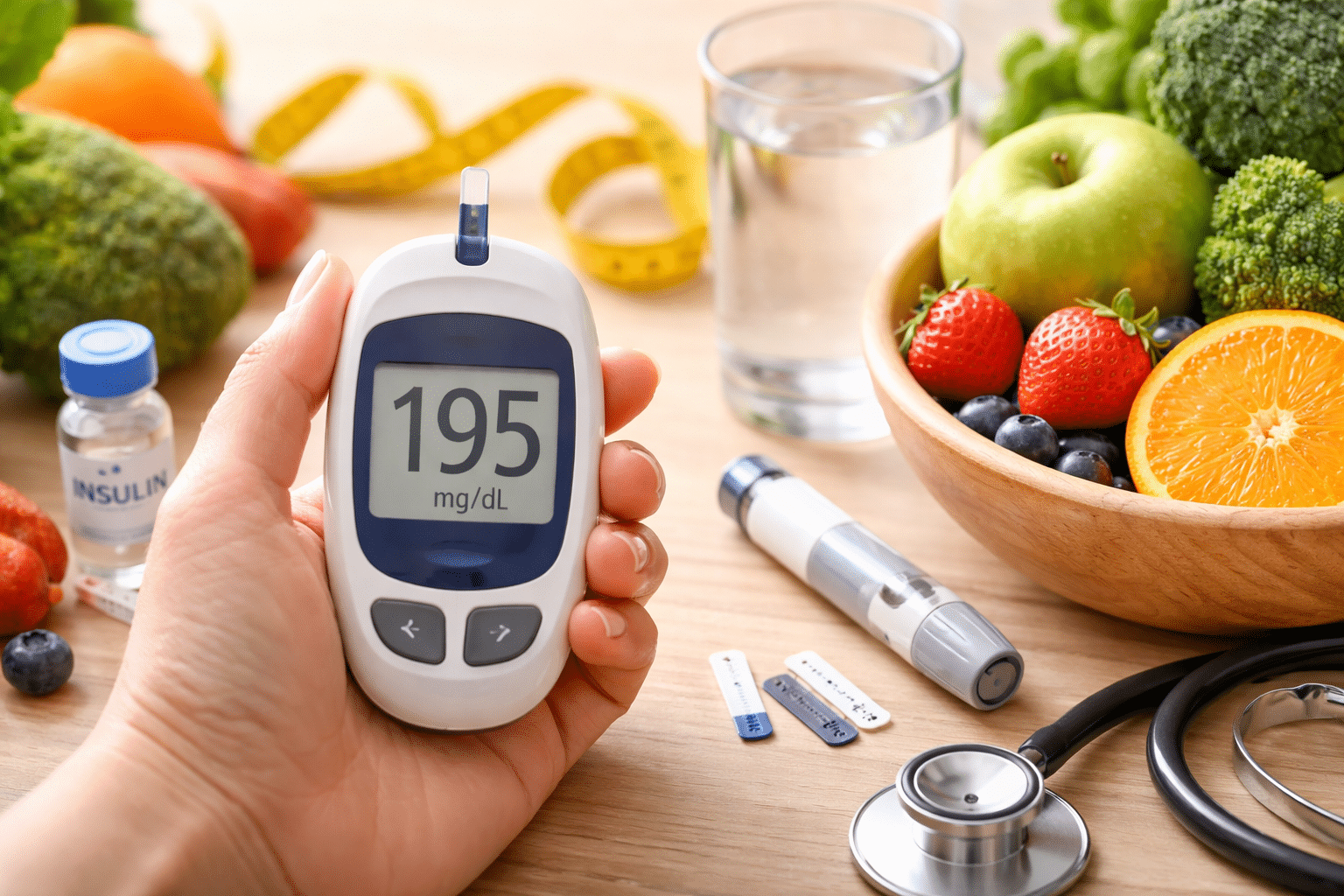
Despite having little to no calories, artificial sweeteners have been linked to insulin resistance and an increased risk of type 2 diabetes. Some research indicates that these sweeteners may alter the brain’s response to sweetness, causing stronger cravings for sugary foods. Additionally, aspartame has been a controversial ingredient due to potential links to migraines and neurological issues. Choosing naturally flavored water, herbal teas, or drinks sweetened with stevia or monk fruit can be a safer way to satisfy cravings without harming gut health.
Canned Soup and the Dangers of Excess Sodium

Canned soups may seem like a convenient meal option, but many varieties contain dangerously high levels of sodium. Some brands pack over half of the recommended daily sodium intake into a single serving, which can lead to high blood pressure and an increased risk of heart disease. Consuming excessive sodium regularly also strains the kidneys, making it harder for the body to regulate fluid balance. Over time, high sodium intake contributes to an increased risk of stroke, kidney disease, and cognitive decline.
Beyond excessive salt content, many canned soups contain artificial preservatives, flavor enhancers, and unhealthy oils. Monosodium glutamate (MSG), a common additive, has been linked to headaches and adverse neurological effects in some individuals. Additionally, certain cans are lined with bisphenol A (BPA), a chemical known to interfere with hormone regulation. Choosing low-sodium, BPA-free canned soups or preparing homemade soups with fresh ingredients can significantly reduce these health risks.