

Meat Substitutes

The shelves are now heaving with vegan meat substitutes, catering to those seeking the texture and taste of meat without the ethical and environmental implications. While these products can be a boon for new vegans or those craving familiarity, they’re not always the healthiest option. Many are highly processed and contain many ingredients, including isolated proteins, artificial flavors, and preservatives. They can be high in sodium and lack the complex nutritional profile of whole-food protein sources.
Regular consumption of processed meat substitutes can lead to an intake of additives and sodium higher than what’s considered healthy, overshadowing the benefits of whole plant proteins. Instead, turning to legumes, tofu, tempeh, and seitan can provide the necessary protein without the extra processing. These minimally processed options are not only better for health but also encourage a more authentic plant-based eating experience.
Vegan Protein Bars
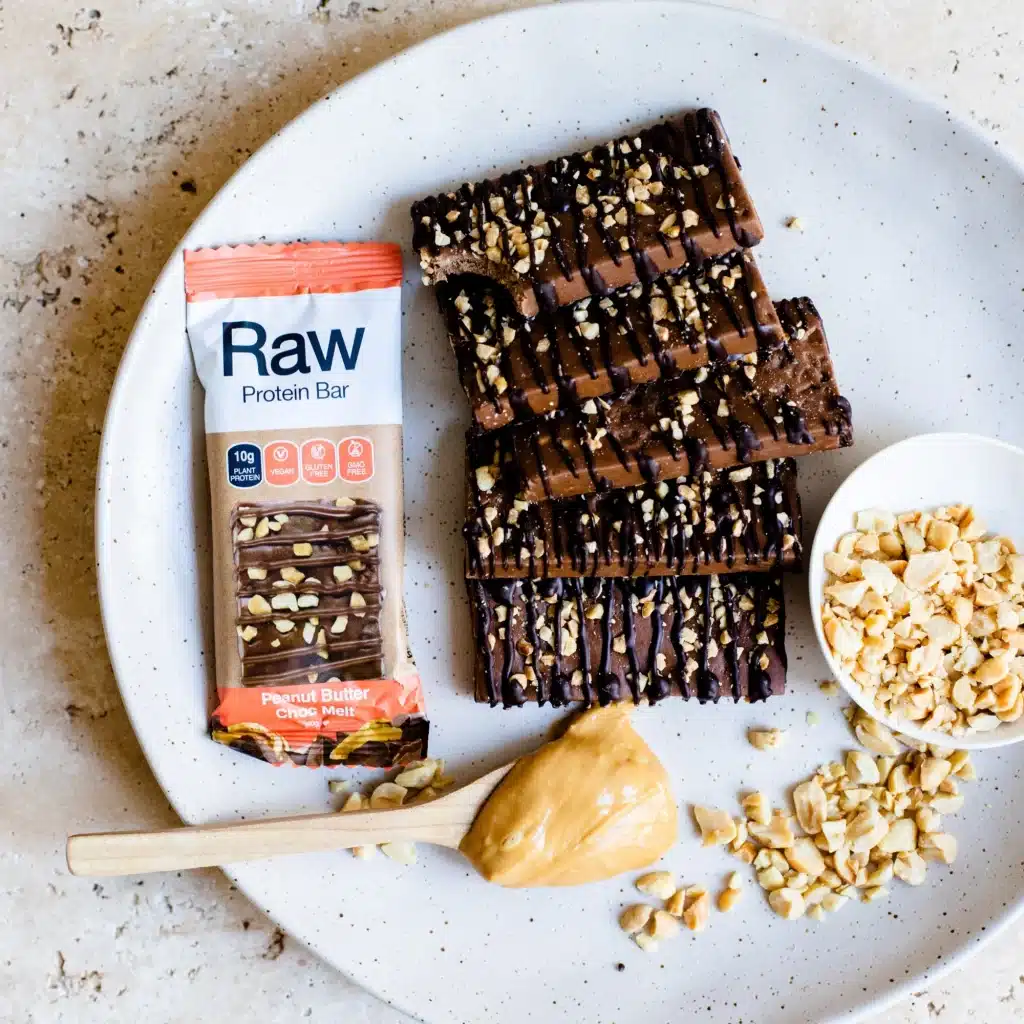
Vegan protein bars are a convenient on-the-go snack for many, especially after a workout or during a busy day. However, despite their health halo, these bars can be packed with sugars, syrups, and other sweeteners that increase their palatability—and their calorie content. They can also contain isolated forms of protein, like soy or pea protein isolate, which are far removed from their whole-food origins. This means they might lack the additional nutrients like fiber, vitamins, and minerals that naturally accompany whole protein sources.
Moreover, some vegan protein bars are so calorie-dense they could qualify as a meal replacement rather than a snack. This can lead to accidental overeating, as consumers may not realize just how filling these bars are. It’s important to examine the nutritional content of these convenient snacks and opt for those with simple, whole-food ingredients to avoid inadvertently consuming excess calories and sugars.
Coconut Yogurt
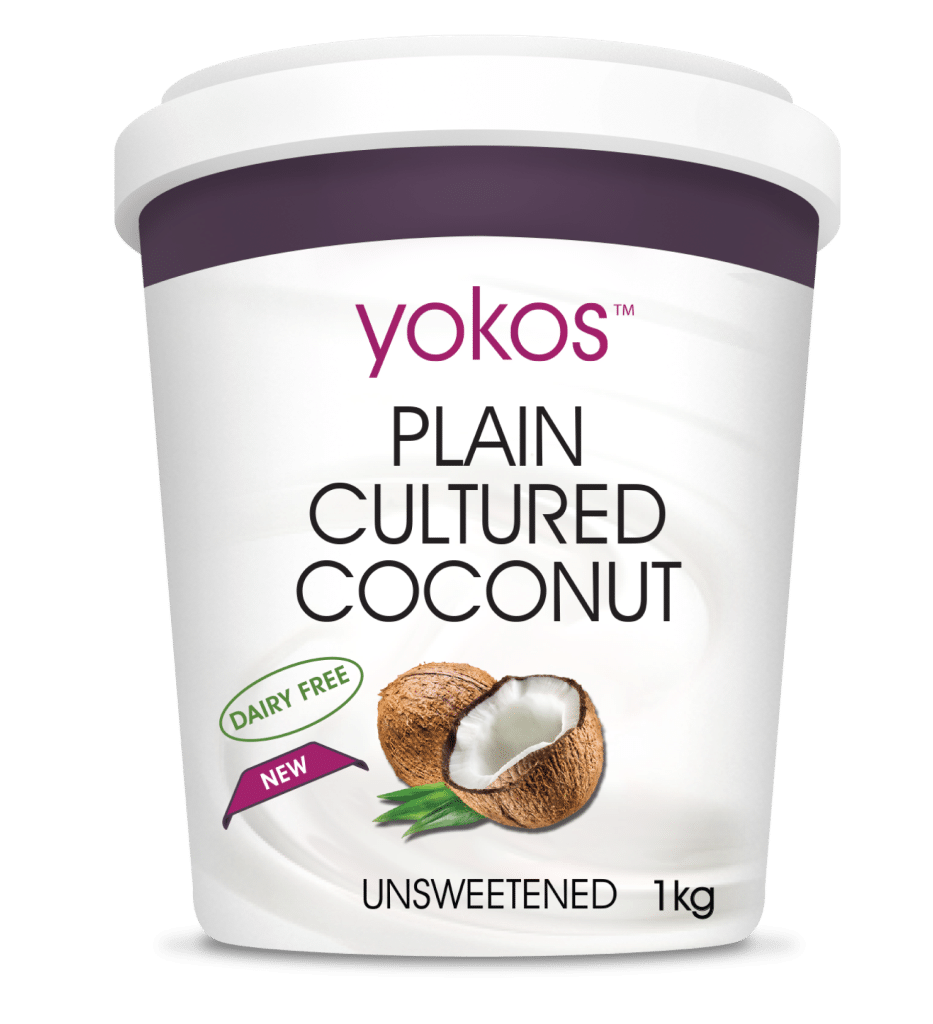
Coconut yogurt has become a darling of the dairy-free world, loved for its thick, creamy texture and tangy flavor. While it can be a good source of probiotics, it’s also often high in saturated fats and, depending on the brand, can have added sugars to enhance its taste. The fat content in coconut yogurt can contribute significantly to the daily recommended intake of saturated fat, and for those not keeping a keen eye on their labels, this can add up stealthily.
The balance of enjoying the benefits of coconut yogurt while managing its high-fat content is a fine line. Fortunately, there are other plant-based yogurts made from almonds, oats, and soy that offer lower fat content and can be equally beneficial for gut health. Diversifying one’s intake of plant-based yogurts can help manage fat intake while still enjoying the probiotic benefits that come with them.
Vegan Fast Food

The expansion of vegan options into fast-food menus is a testament to the growing demand for plant-based eating. These quick, easy meals can be a godsend for the time-pressed vegan. However, like traditional fast food, these vegan versions can be high in calories, saturated fats, and sodium while low in essential nutrients. The processed nature of these foods also means they lack fiber, essential for a healthy digestive system.
The occasional vegan fast-food meal can certainly fit into a balanced diet, but it shouldn’t be a regular occurrence. The ease and convenience of these meals can quickly lead to them becoming a staple, which could have long-term health consequences. Opting for restaurants that offer whole-food-based vegan options or simply enjoying fast food sparingly can keep your diet on a healthy track.
Agave Nectar

Agave nectar surged in popularity as a natural vegan sweetener, believed to be healthier than sugar or honey. However, it is incredibly high in fructose, higher than many other sweeteners, which can concern those watching their sugar intake. High levels of fructose are not quickly metabolized by the liver, which can lead to it being stored as fat, contributing to unhealthy weight gain and a risk of fatty liver disease.
Despite its natural origins, agave nectar is still a concentrated source of calories and sugars and should be used sparingly. There are several other sweeteners available that are less refined and lower in fructose, such as date syrup or maple syrup. Additionally, integrating whole fruits into one’s diet can provide natural sweetness and beneficial fiber and nutrients, making for a healthier alternative to sweetening dishes without the added risks.
The Bottom Line
The journey towards a healthier vegan lifestyle is not without its pitfalls, and it’s clear that the plant-based moniker doesn’t inherently equate to a healthful choice. The key to navigating this landscape is informed decision-making and a commitment to not just eliminating animal products but to choosing whole, minimally processed foods as the cornerstone of one’s diet. It requires a critical eye on packaging labels, a wary approach to the marketing of vegan products, and an ongoing education in nutritional knowledge.